
How to Improve Your Building’s Indoor Air Quality
Categories: HVAC | Indoor Air Quality
Imagine walking into a building and taking a deep breath — do you know what’s in the air you’re breathing?
If you’re responsible for maintaining a building, indoor air quality (IAQ) shouldn’t just be another line item on your maintenance checklist; it’s a critical factor that directly affects both the efficiency of your building and the well-being of its occupants.
Table of Contents
Poor indoor air quality doesn’t just lead to discomfort, it can cause serious health issues, reduce productivity, and signal underlying inefficiencies in HVAC and other systems.
While there are simple steps you can take to improve indoor air quality, consulting a professional specializing in commercial indoor air quality and HVAC is key to addressing concerns and ensuring all needs are met. In addition, tapping into resources from health and safety organizations can provide valuable guidance for maintaining a healthy environment. Some trusted resources for learning about indoor air quality include:
- Environmental Protection Agency (EPA)
- American Society of Heating, Refrigerating and Air-Conditioning Engineers (ASHRAE)
- Occupational Safety and Health Administration (OSHA)
- Indoor Air Quality Association (IAQA)
- National Air Duct Cleaners Association (NADCA)
- Joint Commission Accreditation Certification (JACO)
- Center for Medicare and Medical Services (CMS)
Below, we explore why healthy indoor air quality is important, where indoor pollutants come from, what you’ll need to know about IAQ testing, and ways to improve your indoor air quality.
Below, we explore why healthy indoor air quality is important, where indoor pollutants come from, what you’ll need to know about IAQ testing, and ways to improve your indoor air quality.
The Effects of Poor Indoor Air Quality
Where Indoor Air Pollution Comes From
We’re typically familiar with outdoor air pollutants such as ozone, fine particulate matter in smoke, and nitrogen dioxide. But what about indoor air pollutants — what are they, where do they come from, and what do they affect?
Below are some common indoor air pollutants that can impact your building’s indoor air quality.
| Pollutant | What it is | Where it comes from |
|---|---|---|
| Carbon monoxide | A dangerous gas that is colorless and odorless. | When found indoors, it’s often caused by improper functioning of gasoline-powered equipment. |
| Biological pollutants | These may be dander, viruses, bacteria, dust, or pollen. | They’re often in the form of particulate matter. |
| Radon | A radioactive gas that can seep into homes/buildings. Radon exposure is the largest cause of lung cancer in non-smokers. | It is most commonly found below ground level. |
| Volatile organic compounds (VOCs) | These are chemicals emitted as gasses from solids or liquids. | Household products such as aerosol sprays, paint, disinfectants, pesticides, hobby supplies, and more can emit VOCs. |
| Asbestos | This was a popular material for building products until its health impacts became known. | Materials containing asbestos can be disturbed by cutting, sanding, or other ways of releasing particles into the air. |
| Secondhand smoke | Chemicals that can become embedded in soft surfaces (upholstery, clothing, etc.) or build up on hard surfaces (walls, appliances, tables, etc.) | Tobacco, electronic cigarettes, and other forms of smoking release these chemicals into the air. |
Impacts of Poor IAQ on Buildings
The impact on building occupants’ health from indoor pollutants can range anywhere from mild, short-term symptoms, such as headaches and irritation, to long-term organ damage and diseases such as lung cancer.
While the direct health of building occupants is the main concern regarding indoor air quality, considering the economic impacts is also important. Secondary impacts from health effects include increased healthcare expenses and decreased productivity in buildings, particularly those that are workplaces or schools for the main occupants.
Given these significant impacts of poor indoor air quality, it becomes crucial to understand how to effectively test and monitor the air within your space.
Ways to Improve the Indoor Air Quality of Your Building
Ventilation and Humidity Control
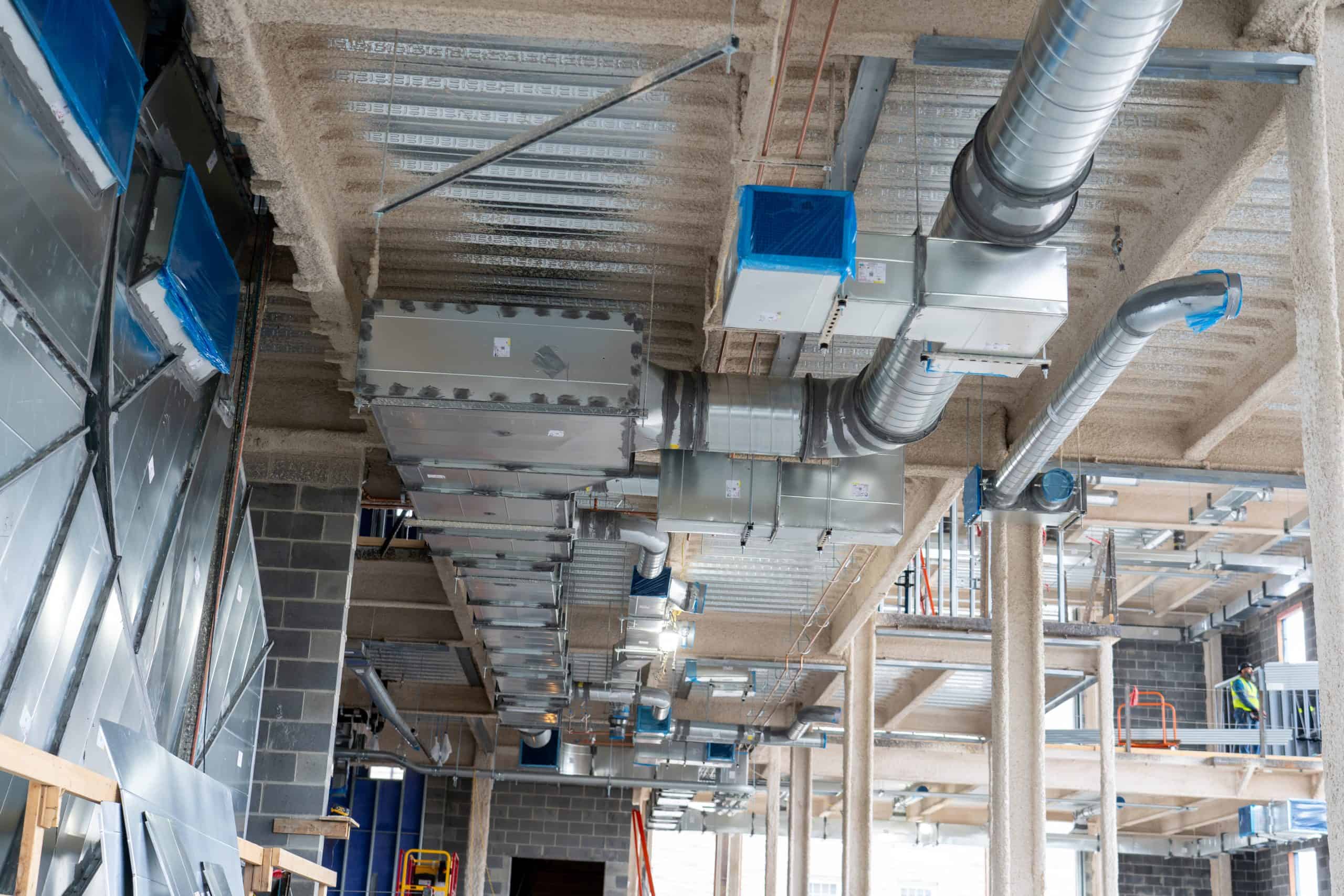
Ventilation isn’t just about providing air to rooms, it’s also about filtering pollutants out of the air. Effective ventilation filters out large particles that can contribute to irritation and allergies.
Depending on the season, too low or high humidity can negatively affect your air quality. Good ventilation will also control the humidity of an area.
Humidity not only affects your building occupants but also makes for an environment in which bacteria are more likely to grow. Humidifiers and dehumidifiers are also extremely important tools for getting an optimal humidity level in your building.
Filtration, Purification, and HVAC Maintenance
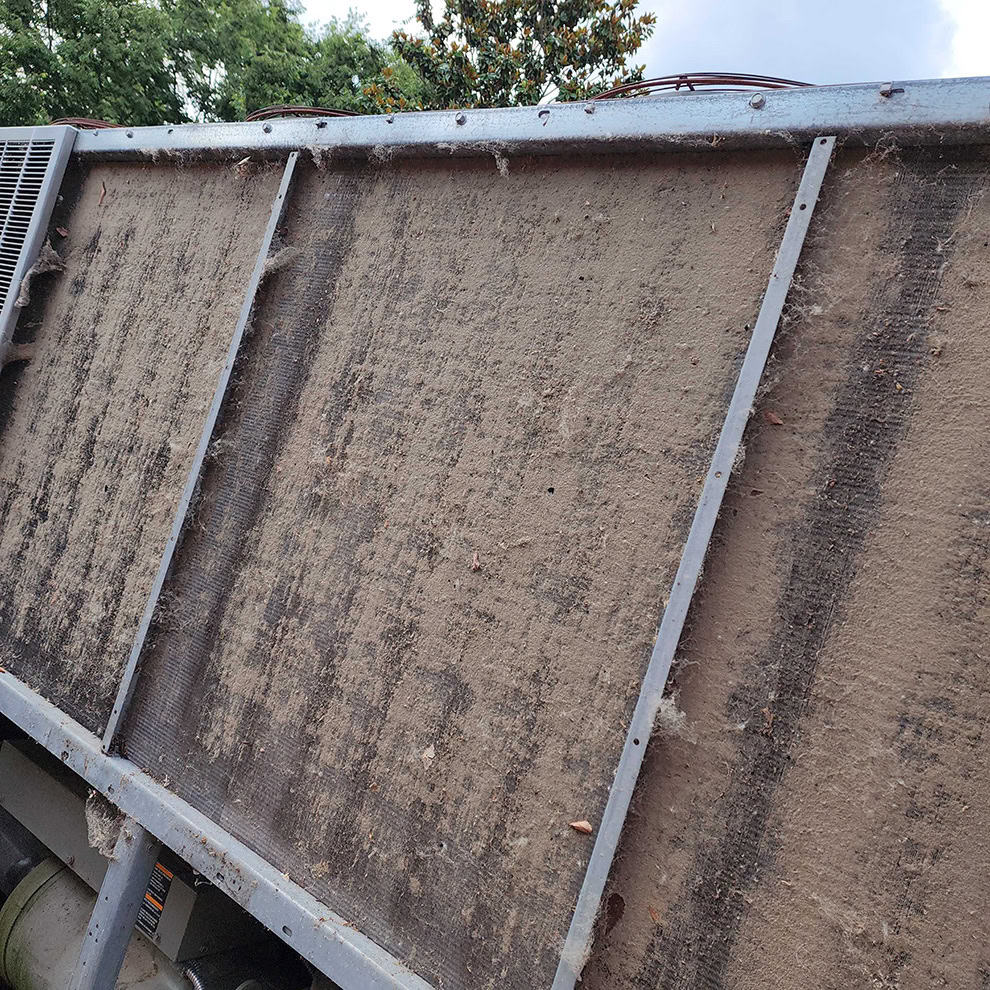
A properly maintained commercial HVAC system also plays a large role in creating a healthy indoor environment. Routine and predictive maintenance will ensure that your system is always performing optimally, leading to fewer maintenance issues that can impact its ability to circulate air.
Ridding your HVAC system of dust and debris by regularly cleaning its components and changing filters will help it provide clean air throughout your building.
Everyday IAQ Tips
- Regular cleaning: Vacuum frequently, dust surfaces, wash linens/drapes, and clean HVAC vents.
- Use door mats: Place door mats at each entrance and clean them regularly.
- Minimize VOCs: Choose low VOC products, store chemicals properly, and improve ventilation where VOCs are used (ex., exhaust fans in kitchens and bathrooms.)
- Replace filters: Regularly replace HVAC and/or air purifying filters to ensure clean air is circulating properly.
See more routine HVAC maintenance recommendations in our resource about Preventative HVAC Maintenance.
Indoor Air Quality Testing
What is IAQ Testing?
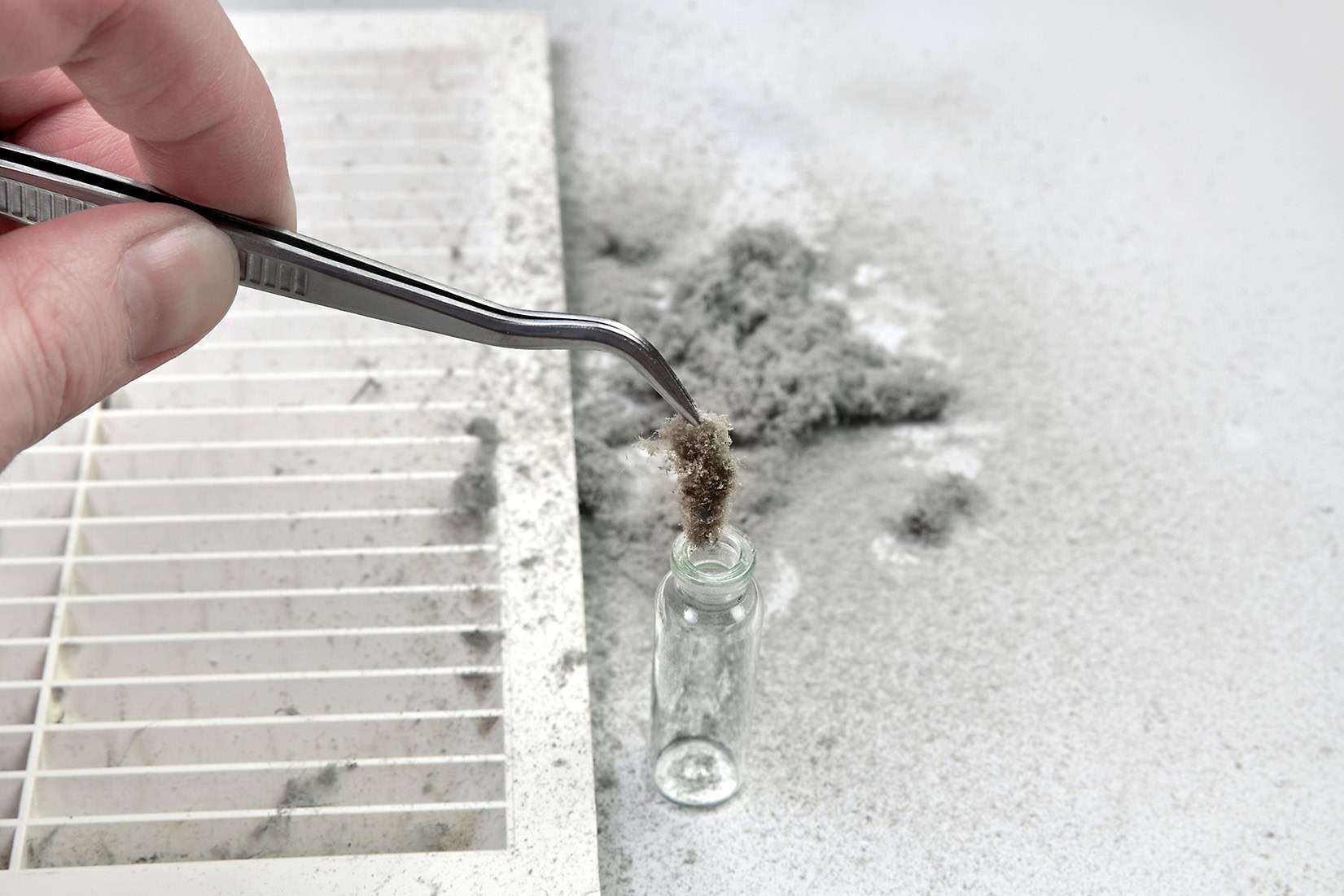
Indoor air quality testing is the process of measuring various particles, gasses, and other items contained in the air inside a building.
When a professional examines your building’s air quality, there are multiple tests they may perform to better understand it. A visual inspection is done to identify any sources or potential instances of poor ventilation, mold, or water damage.
Additionally, there will be tests to measure air contaminants that may not be as visible to the human eye. Collecting particle and air samples are common methods for testing air quality in a building.
- Particle samples are used to test for lead, asbestos, dander, and pollen.
- Air samples are collected to test for carbon monoxide, radon, and formaldehyde, among others.
Regulatory Requirements for Commercial Indoor Air Quality
When it comes to maintaining healthy air inside your commercial building, it’s not just about comfort and productivity—it’s also about compliance. Several regulatory bodies and industry standards outline the minimum requirements for ventilation, filtration, and contaminant control in commercial and institutional buildings. Understanding these standards can help you avoid liability, maintain certifications, and ensure the long-term health and safety of your occupants.
ASHRAE 62.1 (Ventilation for Acceptable Indoor Air Quality)
ASHRAE’s Standard 62.1 is widely considered the benchmark for commercial indoor air quality.
Key requirements include:
- Minimum outdoor air ventilation rates based on building type and occupancy
- Control of humidity and odor
- Filtration guidelines for HVAC systems
- Requirements for natural and mechanical ventilation system design
OSHA Guidelines for Indoor Air Quality
While OSHA doesn’t have specific requirements for general indoor air quality, it does regulate exposure to specific contaminants (like carbon monoxide, asbestos, and formaldehyde) under various standards. OSHA also provides guidance documents that address ventilation, temperature, humidity, and overall air quality in workplaces.
What’s expected from employers’ buildings:
- Ensure HVAC systems are properly maintained and operating effectively
- Investigate and resolve complaints related to poor air quality
- Provide a safe working environment under the General Duty Clause.
Local Building Codes and Health Department Requirements
Many municipalities and states adopt or adapt ASHRAE standards into their own building codes, while also enforcing local regulations through health departments or departments of environmental quality.
Local requirements may include:
- Minimum ventilation and filtration standards for new construction or renovation projects
- Mold remediation protocols
- Radon testing in specific zones
- Compliance with indoor smoking laws and secondhand smoke control
For example, see the Virginia Department of Environmental Quality’s IAQ resources.
Indoor Air Quality FAQs
IAQ Testing and Implementation with RBI
Our Approach to IAQ
Commercial indoor air quality differs from maintaining your home’s air quality in terms of scale and likelihood of certain pollutants. That’s why it’s important to work with a professional to keep your building in top shape. Maintaining safe buildings for our customers and their occupants is one of our service team’s top priorities.
First, we evaluate your building’s current conditions to set a baseline. Our extensive industry knowledge of HVAC and control systems, combined with guidance provided by the Centers for Disease Control (CDC) and the American Society of Heating, Refrigerating and Air Conditioning Engineers (ASHRAE), enables us to create a strategic and effective IAQ plan for your building.
In the evaluation stage, we prioritize any IAQ concerns, estimate resources needed to improve the air quality, and set implementation timelines.
Next, we’ll create an implementation plan based on data obtained during our evaluation. Sample recommendations may look like:
- Increase ventilation rates
- Improve air filtration
- Implement Ultraviolet-C (UV-C) lamp systems
- Use air scrubbers or air purifiers
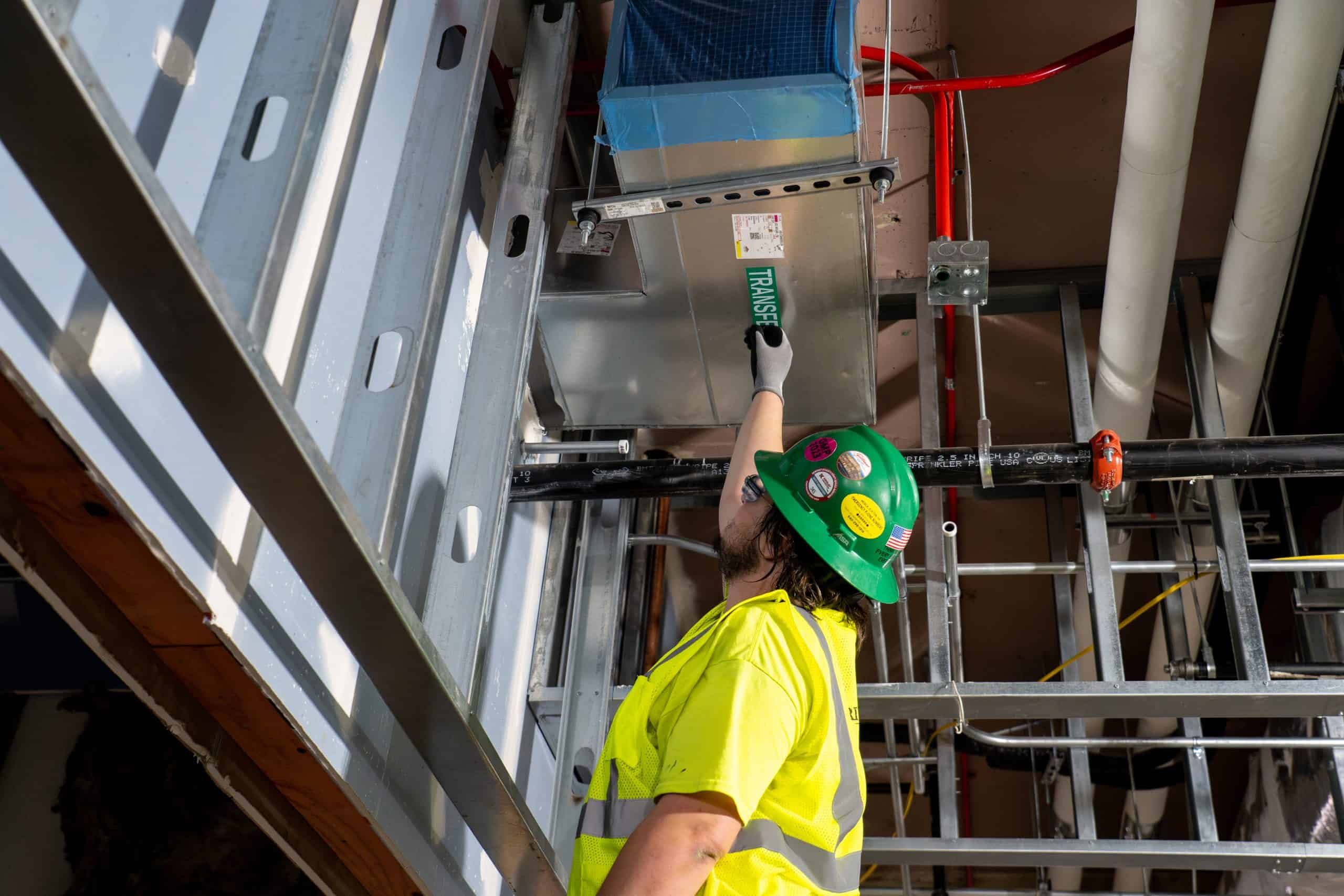
Last, our team of industry professionals will implement the proactive plan we put together, ensuring your building’s IAQ needs are easily met. Learn more about our three-step process for improving your building’s IAQ.
RBI is a premier full-service plumbing, mechanical, service, controls, and design-build company. We provide custom services tailored to meet your needs and requirements at each stage of your HVAC system journey, from helping you find the right equipment to installing and maintaining your system.
Whether you're concerned about occupant health, energy efficiency, or regulatory compliance, RBI’s IAQ experts can help you transform your building into a cleaner, safer environment. Let’s assess your air and create a plan that fits your space and budget.