

How Building Automation Systems Can Reduce Energy Costs in Commercial Facilities
Categories: Energy | HVAC | Indoor Air Quality | Maintenance
Energy costs are one of the largest controllable operating expenses for commercial and institutional facilities. While utility rates fluctuate, one factor remains consistent: HVAC systems account for a significant portion of a building's energy consumption. Even high-efficiency equipment can waste energy if it operates when it shouldn't, runs longer than necessary, or isn't responding appropriately to changing building conditions.
That’s why many facilities are adopting building automation systems (BAS). Rather than simply turning equipment on and off, a properly designed and maintained BAS continuously monitors building conditions and adjusts HVAC operation in real time. By coordinating equipment, responding to occupancy, and identifying operational issues before they become major problems, building automation systems help facilities reduce energy consumption while maintaining occupant comfort.
Table of Contents
What Building Automation Systems Are
A building automation system is a centralized network of controllers, sensors, and software that manages a building's mechanical systems. Instead of individual pieces of equipment operating independently, a BAS allows HVAC components to communicate and work together as a complete system.
A typical commercial building automation system monitors and controls:
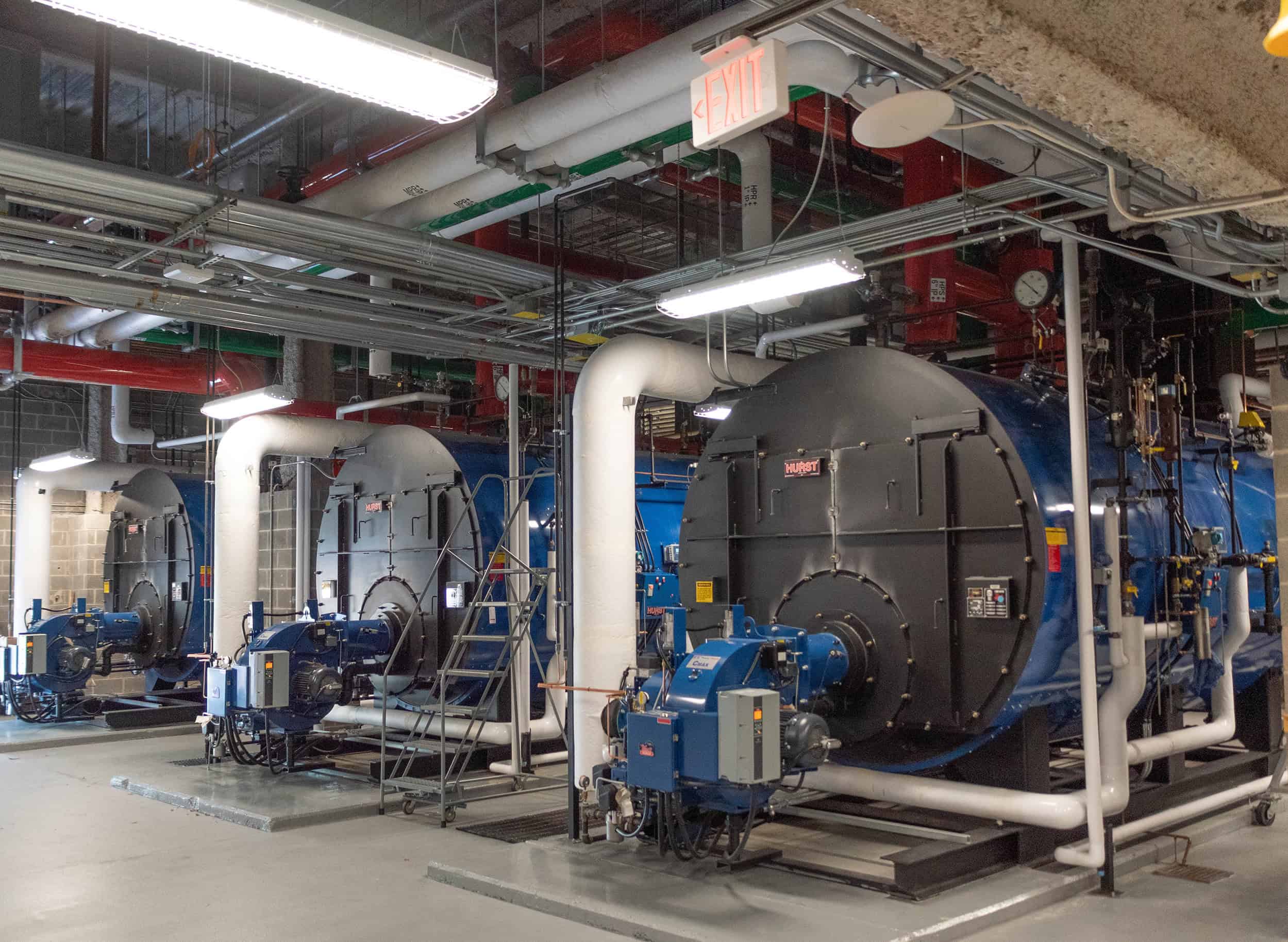
- Air handling units
- Rooftop HVAC equipment
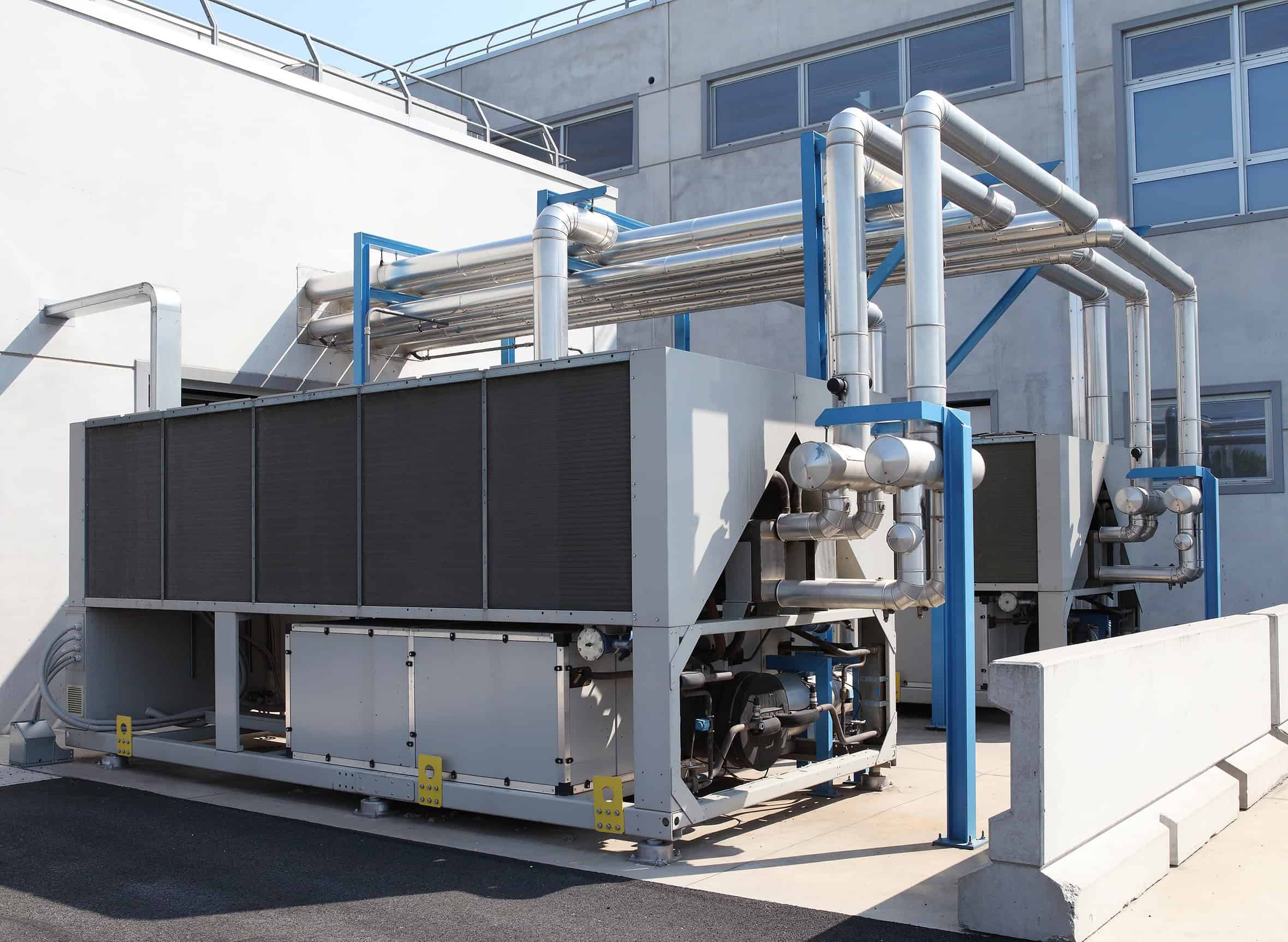
- Boilers and chillers
- Pumps
- Variable air volume (VAV) boxes
- Exhaust and supply fans
- Temperature, humidity, and pressure sensors
- Ventilation systems
How BAS Can Reduce Energy Costs
1. Demand-Based Ventilation Reduces Unnecessary Conditioning
Many commercial buildings are designed to accommodate peak occupancy, but they rarely operate at full capacity throughout the day. Conference rooms sit empty between meetings, classrooms fluctuate throughout the day, and office occupancy changes with hybrid work schedules.
While ventilation is essential for indoor air quality, conditioning outside air is one of the most energy-intensive tasks an HVAC system performs. During the summer, incoming air must be cooled and dehumidified. During the winter, it must be heated before entering occupied spaces.
Using carbon dioxide (CO₂) sensors or occupancy-based controls, the BAS estimates how many people are using a space and automatically adjusts outdoor air intake to match actual demand. Instead of operating at maximum ventilation continuously, the system provides only the amount of fresh air needed to maintain indoor air quality.
Demand-based ventilation is particularly effective in facilities where occupancy changes throughout the day, including:
- Office buildings
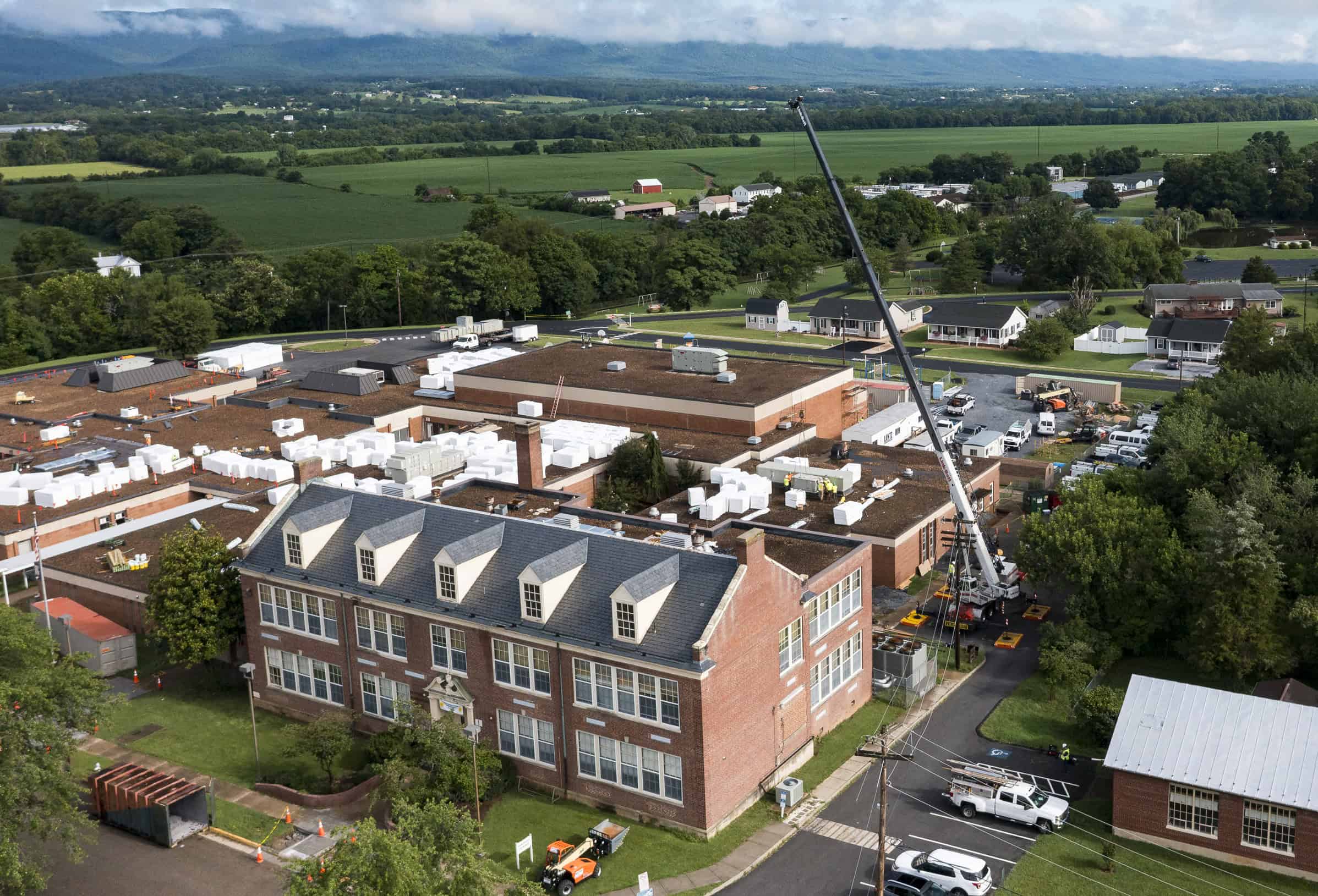
- Schools and universities
- Healthcare waiting areas
- Churches
- Conference centers
- Municipal buildings
2. Scheduling and Temperature Setbacks Eliminate Energy Waste
It's common to find HVAC systems running at full capacity long after employees have gone home or hours before occupants arrive. Even a few unnecessary hours each day can significantly add to annual utility costs.
A building automation system makes scheduling far more precise than traditional programmable thermostats.
Facility managers can establish:
- Occupancy schedules
- Weekend schedules
- Holiday calendars
- Seasonal operating schedules
- Automatic startup and shutdown sequences
Rather than starting equipment at the same time every morning, the BAS is able to analyze outdoor temperatures, indoor conditions, and historical performance to determine exactly when systems need to begin operating. On mild spring mornings, the HVAC system may require significantly less warm-up or cool-down time than during peak summer or winter conditions.
Temperature Setbacks
Similarly, temperature setback strategies allow buildings to relax occupied temperature setpoints overnight or during weekends while still maintaining conditions that protect equipment, piping, and building materials.
The result is reduced runtime without putting a strain on occupant comfort.
3. Equipment Runtime Optimization Improves Overall System Efficiency
Energy efficiency isn't determined solely by how efficient individual pieces of equipment are. It also depends on how those systems operate together.
Facilities may unknowingly waste energy because equipment runs longer than necessary or because systems aren't properly coordinated.
Non-optimized systems may look like:
- Simultaneous heating and cooling
- Boilers operating when cooling is required
- Multiple pumps running unnecessarily
- Fans operating at full speed regardless of demand
- Poor lead-lag sequencing between redundant equipment
These issues often go unnoticed because occupants remain comfortable even though the building is consuming excess energy. A building automation system continuously evaluates operating conditions and makes adjustments that improve overall system efficiency.
4. Fault Detection Helps Prevent Hidden Energy Losses
Every energy problem may not result in a noticeable change in comfort. In many buildings, HVAC equipment continues operating despite underlying issues that gradually increase energy consumption.
Without a preventative maintenance routine, these problems can persist for months before someone notices higher utility bills or declining equipment performance. Modern building automation systems help identify these issues through fault detection and diagnostics.
By continuously comparing sensor readings, equipment status, operating trends, and programmed sequences, the BAS can alert maintenance personnel when equipment begins operating outside expected parameters.
Early detection provides several benefits:
- Reduced energy waste
- Improved occupant comfort
- Fewer emergency service calls
- Better maintenance planning
- Increased equipment reliability
For facilities operating critical environments or managing multiple buildings, this level of insight can significantly improve operational efficiency.

Building Automation Requires Ongoing Maintenance
A building automation system is only as accurate as the information it receives.
Over time, sensors drift, actuators wear, control devices lose calibration, and programming may no longer reflect how a building is actually being used. Renovations, tenant changes, equipment replacements, and occupancy shifts can all affect system performance.
Typical BAS maintenance activities include:
- Sensor calibration
- Verification of control sequences
- Damper and actuator testing
- Trend log review
- Alarm verification
- Software and firmware updates
- Inspection of Direct Digital Controls (DDC) and pneumatic control components
Routine controls maintenance helps ensure the BAS continues delivering the energy savings it was designed to achieve.
How to Know When It Is Time to Upgrade Your Building Controls
Many commercial facilities continue operating with aging controls that no longer support modern energy management strategies.
If your building relies on obsolete Direct Digital Controls (DDC) hardware or pneumatic controls that are becoming increasingly difficult to maintain, it may be time to evaluate a controls upgrade.
Other signs include:
- Limited scheduling capabilities
- Frequent occupant comfort complaints
- Rising energy costs without obvious equipment failures
- Lack of remote monitoring
- Difficulty obtaining replacement components
- Limited visibility into system performance
The good news is that improving building automation doesn't always require replacing the entire HVAC system. In many cases, upgrading controls can improve efficiency, visibility, and reliability while extending the useful life of existing mechanical equipment.
Working with an experienced BAS provider, like Riddleberger Brothers, can help determine whether modifications, upgrades, or expanded energy management capabilities offer the greatest return on investment.
Building Automation Systems FAQs
Building Automation System Upgrades and Maintenance with RBI
Reducing energy costs isn't about making a single adjustment. Instead, it's about continuously optimizing building performance.
A properly maintained building automation system allows facility managers to make informed decisions using real operating data rather than assumptions. From demand-controlled ventilation and optimized scheduling to equipment sequencing and fault detection, automation helps ensure HVAC systems operate only when necessary and as efficiently as possible.
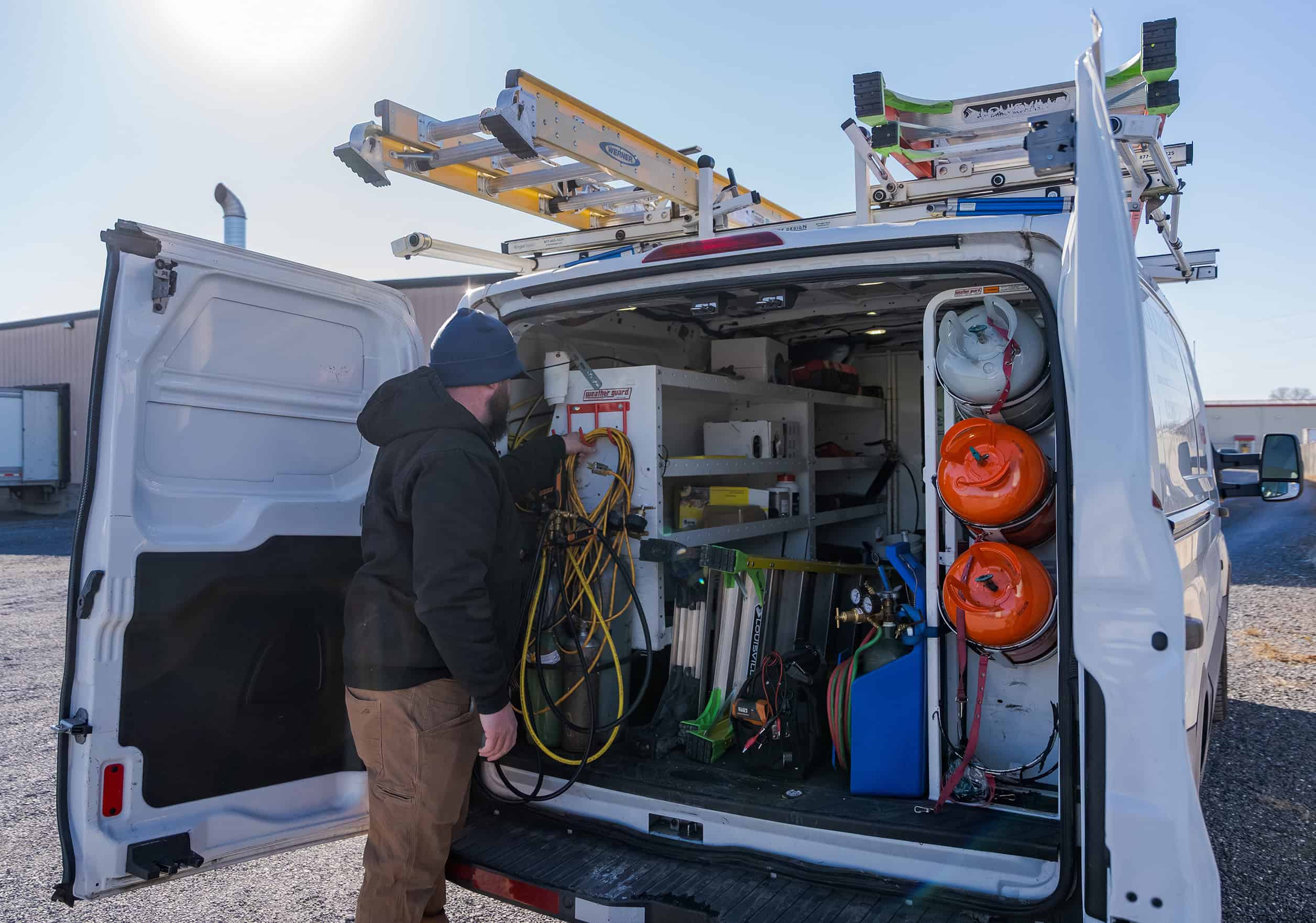
At RBI, our building automation & controls services support commercial facilities through:
- Calibration & maintenance services
- DDC/pneumatic controls
- Control modifications or upgrades
- Energy management
Whether maintaining an existing automation system or modernizing aging controls, the goal remains the same: helping buildings operate more efficiently, reliably, and cost-effectively.
As energy costs continue to rise, investing in building automation is no longer just about convenience. It's about improving long-term operational performance and getting the most from your HVAC infrastructure.
RBI is a premier full-service plumbing, mechanical, service, controls, and design-build company. We provide custom services tailored to meet your needs and requirements at each stage of your HVAC system journey, from helping you find the right equipment to installing and maintaining your system.