
How to Plan Facility HVAC Equipment Replacement Before It Becomes an Emergency
Categories: HVAC | Maintenance
A compressor can fail during peak cooling demand. A boiler problem can surface during a cold stretch. A critical replacement part can suddenly become difficult to source. When aging equipment reaches that point, facility managers may have little choice but to make a major decision under time pressure.
Planning HVAC equipment replacement before failure changes that situation. Instead of reacting to an outage, facility teams can:
- Evaluate equipment condition
- Compare repair and replacement costs
- Establish budgets
- Schedule projects around operational needs
The objective is not to replace equipment simply because it reaches a certain age. It is to understand which HVAC assets can continue operating reliably, which require closer monitoring, and which should be incorporated into the capital plan before they become an emergency.
Table of Contents
Preventive Maintenance Is the Foundation of HVAC Planning
Effective HVAC capital planning starts with understanding the condition of the equipment already in operation. That is one reason preventive HVAC maintenance is important beyond reducing day-to-day breakdowns.
Regular inspections allow technicians to identify deterioration while equipment is still operational. Maintenance records also create a history that can show whether an isolated repair is truly isolated or part of a developing pattern.
For example, a facility may begin seeing:
- More frequent compressor, motor, bearing, or electrical issues
- Increasing refrigerant leaks
- Deteriorating coils or heat-transfer surfaces
- Excessive vibration or unusual operating temperatures
- Repeated controls or sensor problems
- Increasing runtime without corresponding increases in load
- Difficulty maintaining temperature, humidity, or pressure requirements
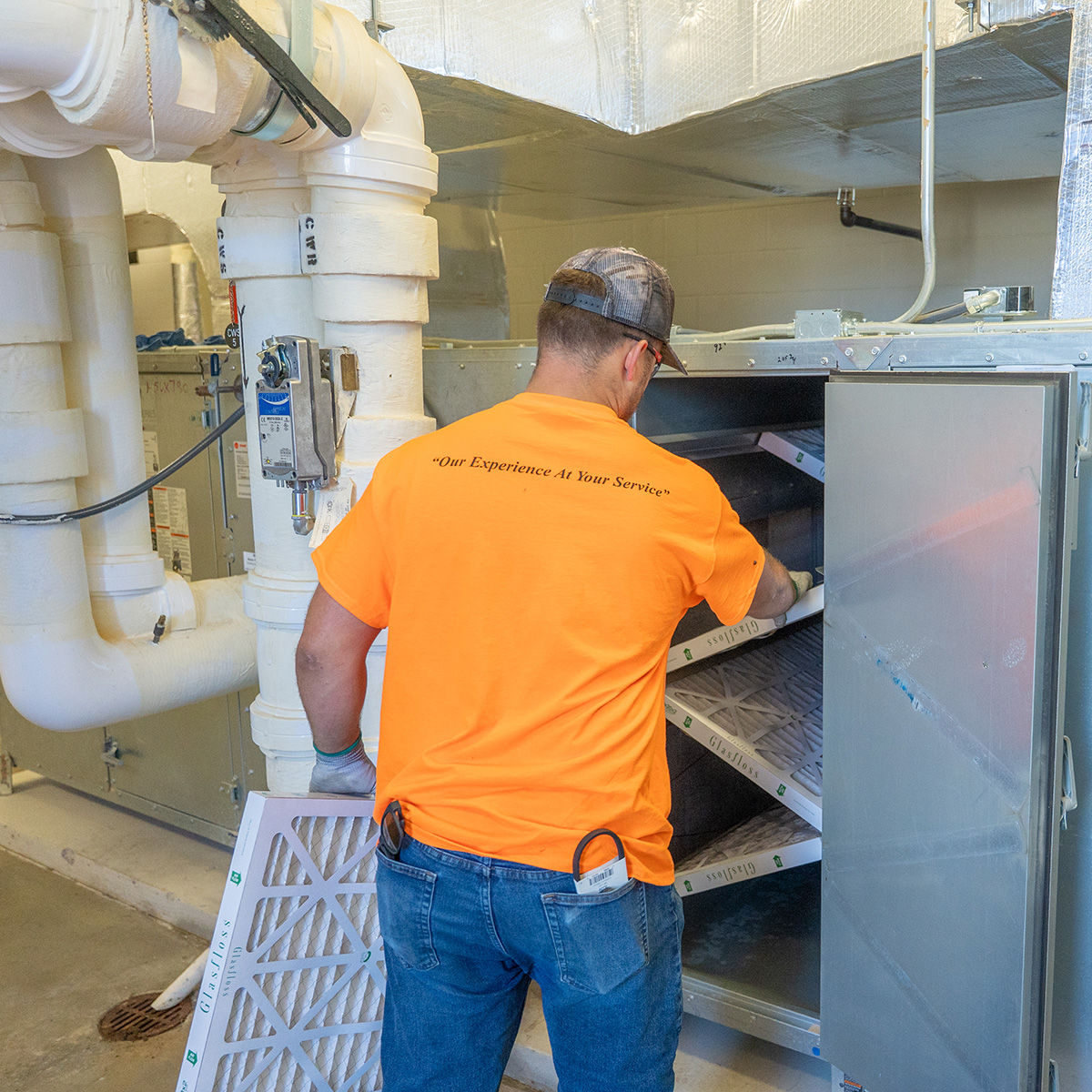
One issue by itself may not justify replacing a system. A pattern of problems, however, can indicate that reliability is deteriorating.
Consistent maintenance also helps facility managers estimate remaining useful life more accurately. Two pieces of equipment of the same age may be in very different condition because of their operating hours, maintenance history, environment, and application.
This information helps separate equipment that is old but still serviceable from equipment that is becoming an increasing operational and financial risk.
Start With an HVAC Equipment Condition Assessment
Before developing a replacement schedule, facility teams need an accurate picture of their HVAC assets.
A useful starting point is an equipment inventory including information such as:
- Equipment type
- Manufacturer and model
- Capacity
- Installation date or approximate age
- Area or process served
- Maintenance and repair history
- Major components previously replaced
- Known performance or reliability concerns
The next step is to assess actual equipment condition.
Service history provides another important layer. If a unit has required increasingly frequent repairs over several years, that trend should factor into replacement planning even if the equipment is currently running.
Condition assessments should also consider obsolescence.
Equipment may technically remain repairable while becoming increasingly difficult or expensive to service or support.
Replacement parts may have long lead times, controls may no longer be supported, or refrigerant considerations may affect future serviceability.
Why Equipment Age Alone Shouldn't Determine Replacement
Expected HVAC equipment life is useful for capital planning, but it should be treated as a benchmark rather than an expiration date.
An estimated HVAC equipment life expectancy can help facility managers identify assets that deserve closer evaluation. Actual replacement timing, however, depends on much more than the year printed on the nameplate.
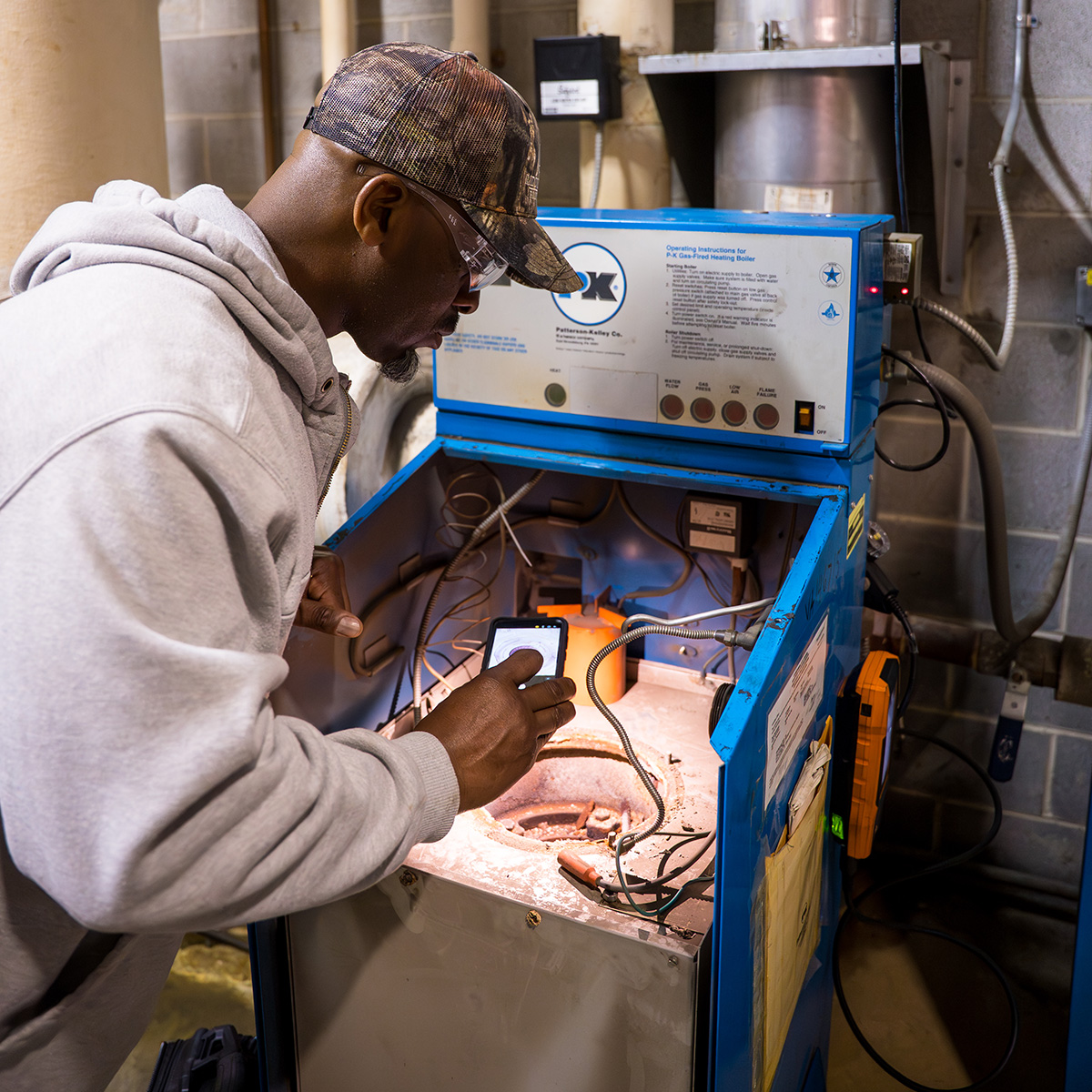
Important factors include:
- Operating hours and duty cycle
- Preventive maintenance history
- Current mechanical condition
- Indoor and outdoor operating environment
- System load
- Repair frequency
- Availability of replacement components
- Changes to the facility since the equipment was installed
Equipment age works best as a trigger for closer assessment, rather than the sole reason for replacement.
Prioritize HVAC Equipment Based on Risk and Criticality
Not every HVAC failure has the same consequence.
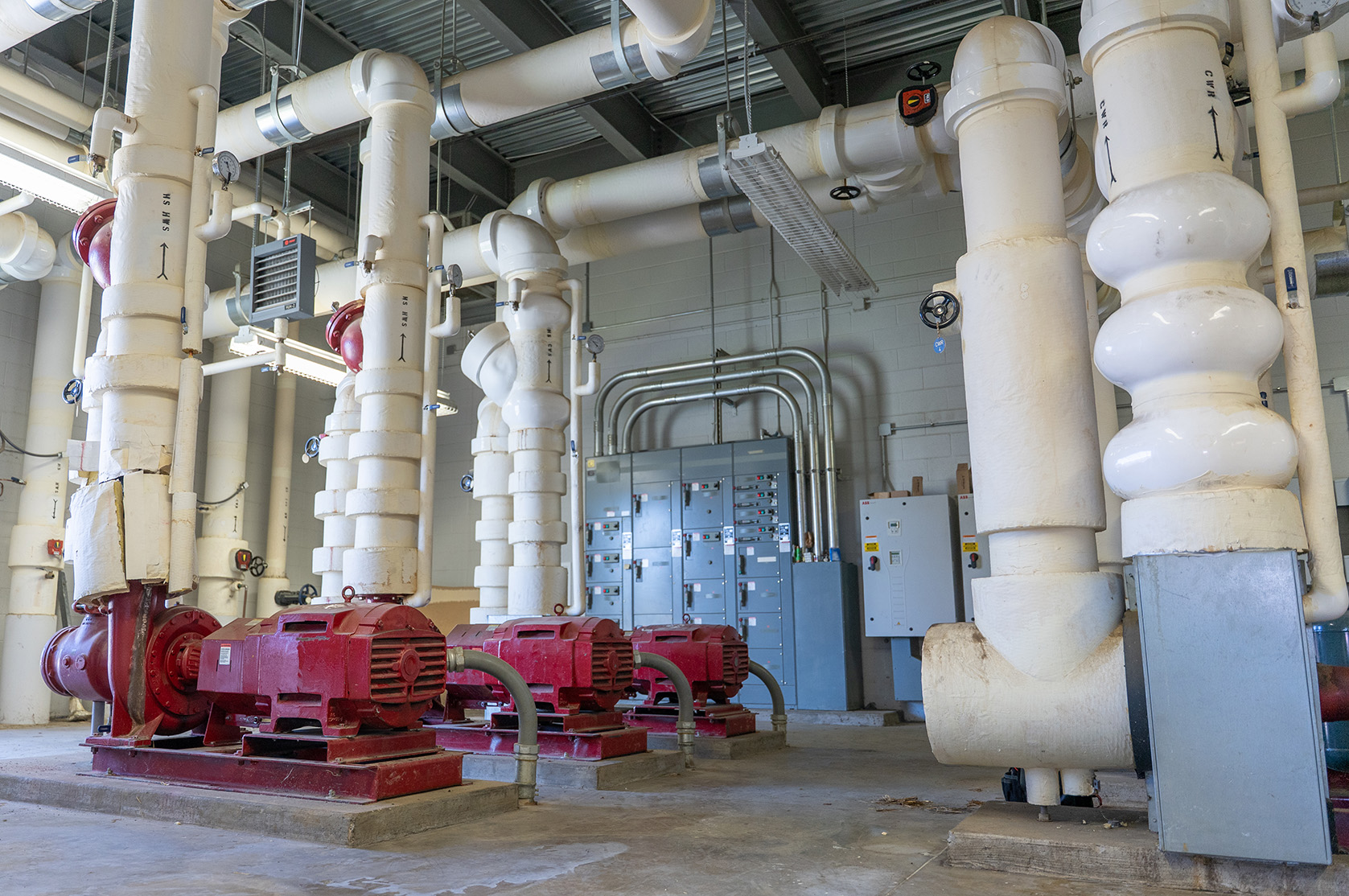
A failed rooftop unit serving a space with available backup capacity creates a different operational problem than a chiller, boiler, pump, or air-handling system serving a critical process with no redundancy.
Replacement priorities should therefore consider two questions:
- How likely is the equipment to experience a significant failure?
- What happens to the facility if it does?
Criticality may depend on factors such as the space or process served, available redundancy, temperature and humidity requirements, ventilation needs, production requirements, and the feasibility of providing temporary heating or cooling.
Combining equipment condition with operational criticality helps direct capital investments toward the assets that represent the greatest facility risk.
Replacement vs. Repair: Look Beyond the Immediate Cost
The repair-versus-replacement decision can become difficult when an aging HVAC system requires a significant repair.
Comparing the repair estimate directly against the replacement price provides only part of the picture.
Consider this: If a repair restores reliable operation for several years, it could be a reasonable decision.
But if another major component in that system is also nearing the end of its useful life, the economics may look very different.
Include the Cost of Downtime
Depending on the facility, an unplanned outage may involve emergency service, overtime labor, expedited parts, temporary equipment, lost productivity, occupant disruption, or interrupted processes.
Those costs can be difficult to see on a maintenance invoice, but they still matter when comparing repair and replacement strategies.
Consider Energy Performance
New HVAC equipment may also offer efficiency improvements, particularly when replacing significantly older systems or pairing new equipment with improved controls.
Energy efficiency can strengthen the case for replacement, but it should generally be considered alongside condition, reliability, maintenance cost, and remaining useful life rather than in isolation.
Build HVAC Replacement Into a Multi-Year Capital Plan
Once equipment condition, criticality, and lifecycle economics have been evaluated, facility managers can turn that information into a multi-year capital plan.
Equipment doesn’t need a predetermined replacement date. Instead, systems can be grouped into prioritized categories.
For example, a facility might identify:
- Near-Term Replacements: Equipment with significant condition concerns, increasing failure risk, or major operational consequences.
- Mid-Term Replacements: Aging equipment that remains serviceable but should be incorporated into upcoming capital budgets.
- Long-Term Assets: Equipment that is currently reliable and can continue operating with appropriate maintenance and periodic reassessment.
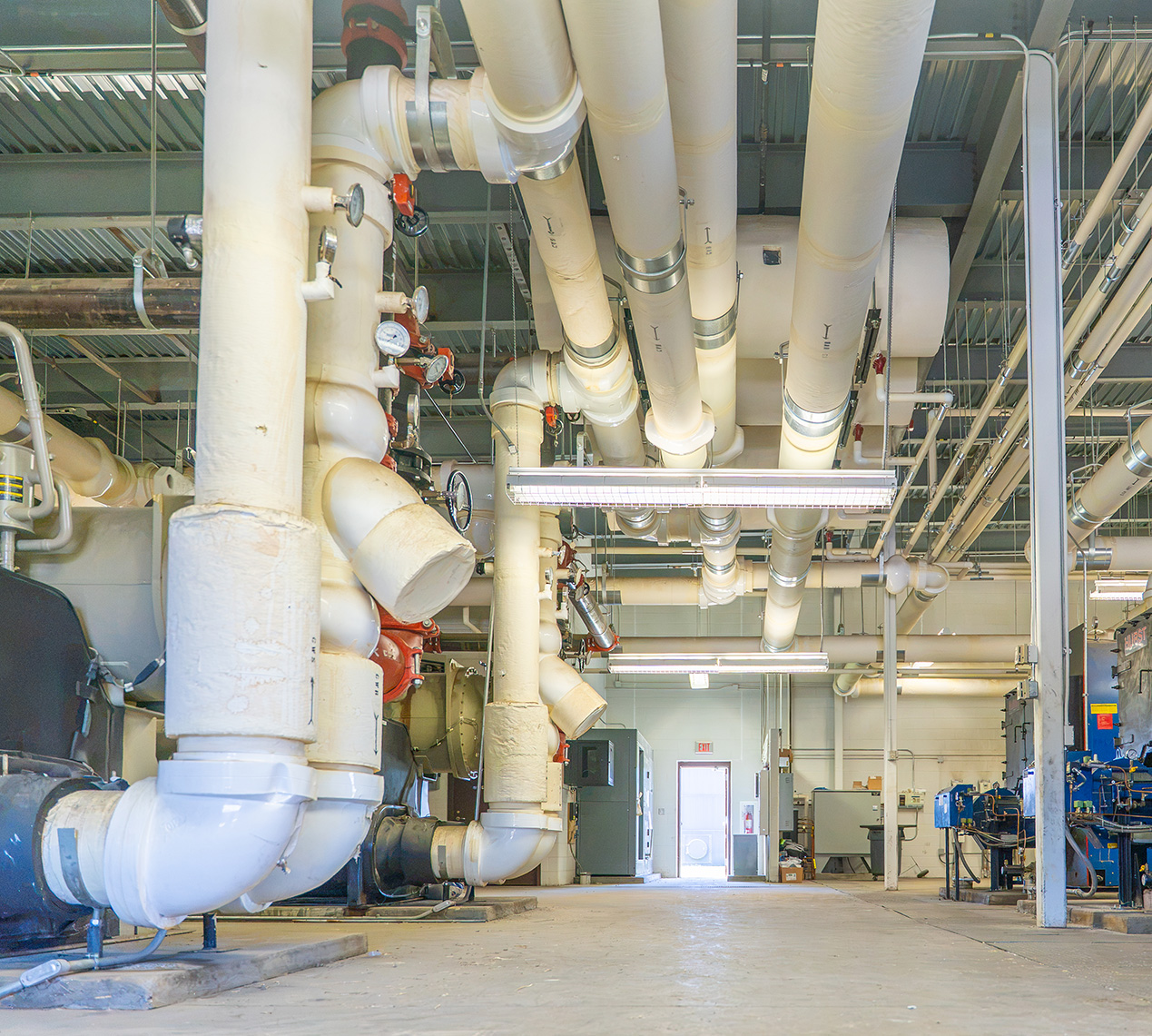
Preliminary budgets can then be assigned to higher-priority assets so the organization has visibility into upcoming capital requirements.
Because conditions can change, facilities should remain flexible, and HVAC capital plans should be reviewed regularly and updated using the latest maintenance and condition information.
That creates a continuous cycle:
Preventive maintenance is therefore not separate from capital planning. It supplies much of the information that makes the capital plan useful.
RBI is a premier full-service plumbing, mechanical, service, controls, and design-build company. We provide custom services tailored to meet your needs and requirements at each stage of your plumbing system's journey, from helping you find the right equipment to installing and maintaining your system.