
Virginia’s New Public School Indoor Air Quality Requirements: HB2618
Categories: HVAC | Indoor Air Quality | Maintenance
Indoor air quality (IAQ) in public schools has become an increasingly important topic across the United States. Concerns surrounding ventilation, airborne contaminants, occupant comfort, and aging HVAC infrastructure gained national attention during the COVID-19 pandemic, but the conversation has continued well beyond pandemic-era guidance.
In Virginia, lawmakers have now formalized recurring school IAQ evaluation requirements through HB2618 and its identical companion bill, SB1413. The legislation establishes recurring inspection and evaluation expectations for public elementary and secondary school buildings throughout the Commonwealth.
Table of Contents
For school districts across Virginia, the legislation introduces new operational, documentation, and ventilation assessment responsibilities that will likely require long-term planning and coordination. Rather than focusing solely on “air quality” in a general sense, the legislation places increased attention on HVAC system performance, ventilation verification, inspection consistency, corrective planning, and publicly available reporting.
What the New Virginia School Indoor Air Quality Law Requires
Virginia HB2618 / SB1413 establishes recurring indoor air quality inspection and evaluation requirements for public elementary and secondary school buildings throughout the Commonwealth of Virginia.
Industry-Recognized Uniform Inspection and Evaluation
One of the most significant components of the legislation is the requirement for an industry-recognized uniform inspection and evaluation of school HVAC and ventilation systems at least every four years.
This requirement intends to establish a more standardized evaluation process across Virginia public school facilities.
Who Can Perform IAQ Inspections?
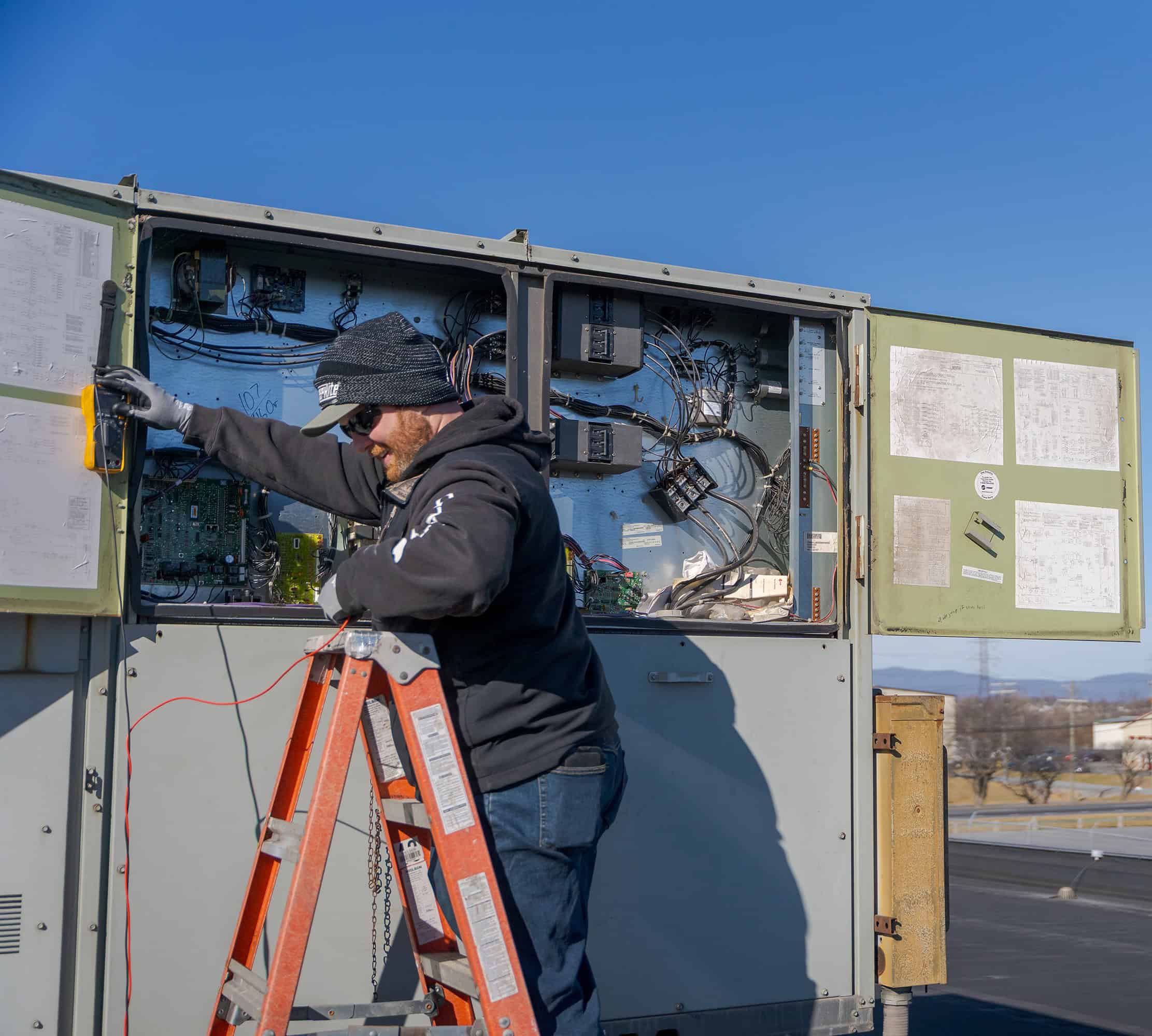
Because the legislation references industry-recognized inspection and evaluation practices, school divisions will need qualified professionals capable of assessing ventilation system performance, HVAC operation, and airflow conditions.
Professionals qualified to perform these inspections include:
- Certified testing, adjusting, and balancing (TAB) professionals
- Contractors holding a Master HVAC License
- Professional Engineers (PEs)
- Industrial hygienists
For many districts, especially those operating multiple campuses with varying HVAC system types and equipment ages, outside technical expertise is increasingly important for maintaining consistency and documentation quality.
HVAC Documentation and Corrective Planning
The legislation also places increased emphasis on HVAC documentation, reporting, and corrective planning.
HVAC reports and evaluations must be shared publicly, increasing the importance of maintaining organized inspection records, ventilation verification data, and corrective action documentation.
Because some school systems operate aging facilities with varying equipment types and maintenance histories, documentation consistency may become an increasingly important operational consideration.
The legislation also requires HVAC reports and evaluations to verify ventilation performance against ASHRAE Standard 62.1. Standard 62.1 is a widely recognized ventilation standard for commercial and institutional buildings that establishes minimum ventilation and indoor air quality requirements for occupied spaces.
Why This Matters for Virginia School Divisions
For many Virginia school systems, the legislation arrives at a time when facility infrastructure challenges may already be significant.
Numerous public school buildings across the Commonwealth operate with:
- Outdated systems
- Deferred maintenance backlogs
- Inconsistent ventilation balancing
- Limited airflow verification documentation
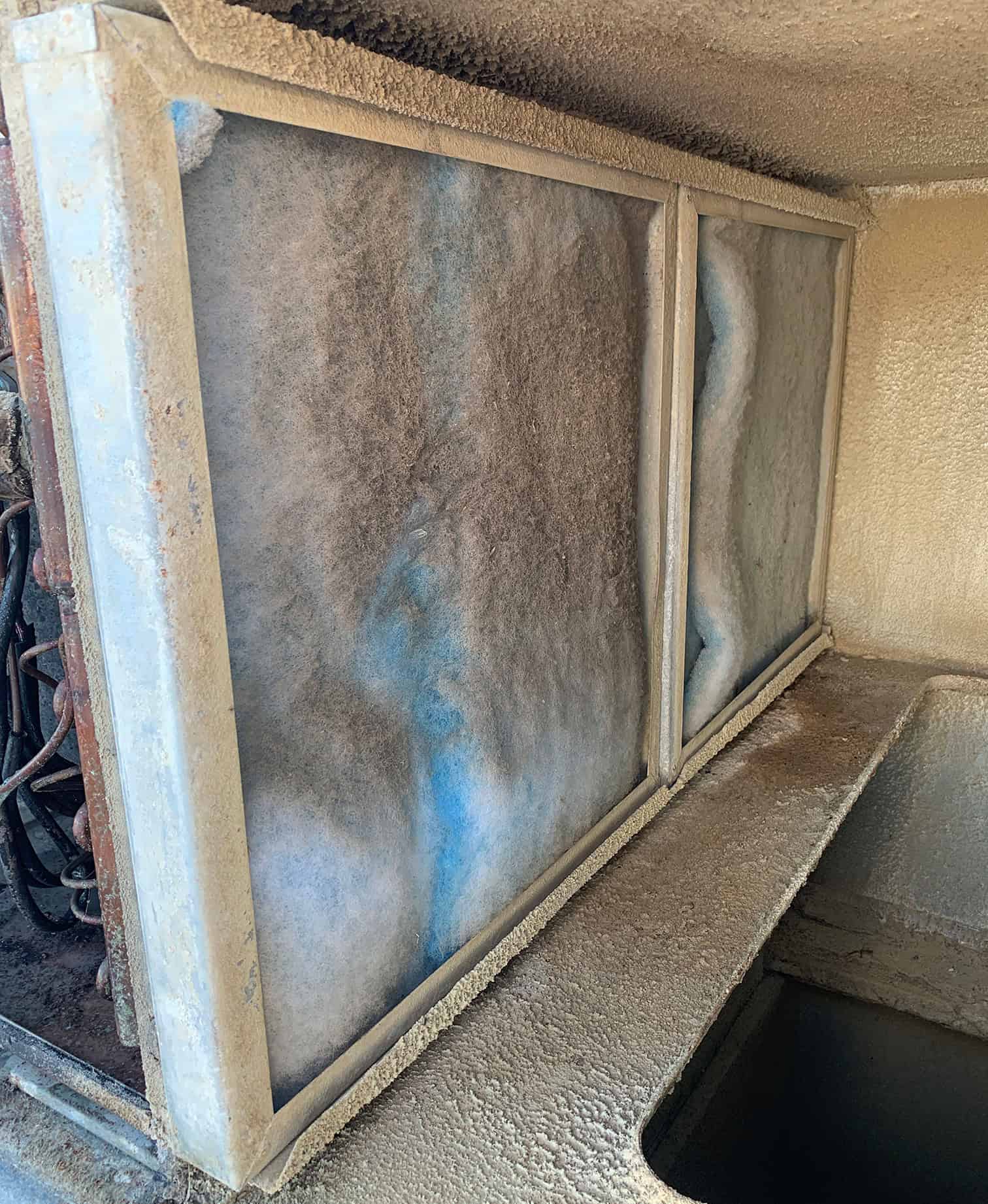
Causes of poor ventilation, such as dirty filters, can go undetected without proper inspection.
Operational Risks Associated with Poor Ventilation
The operational risks associated with poor ventilation can include:
- Reduced indoor air quality
- Inconsistent classroom temperatures
- Humidity and moisture concerns
- Elevated energy consumption
- Equipment strain
Public reporting requirements also increase visibility into HVAC operational conditions and may place additional pressure on school systems to prioritize documentation and corrective planning.
What Comprehensive School IAQ Evaluations Commonly Include
Although implementation details may vary, comprehensive school IAQ evaluations will likely focus heavily on HVAC system operation, ventilation performance, and airflow verification.
Recommended Proactive Strategy for School Divisions
For many districts, compliance will likely require more than simply scheduling periodic inspections. A proactive, phased approach may help school systems better manage budgeting, corrective planning, and operational readiness.
1. Establish an HVAC Ventilation System Baseline
School divisions should first understand the current condition and ventilation capability of existing HVAC systems.
This may include:
- Equipment inventories
- Ventilation performance reviews
- Airflow verification
- Controls assessments
- Identification of deferred maintenance issues
2. Perform Facility-Wide HVAC Assessments
Facility-wide evaluations can help identify:
- Ventilation deficiencies
- Airflow imbalance
- Failing components
- Controls issues
- Operational inconsistencies across campuses
3. Prioritize Deficiencies
Not every issue requires immediate capital replacement. Schools may need to prioritize deficiencies based on:
- Occupant impact
- Ventilation performance
- Operational risk
- Budget constraints
- Equipment criticality
4. Develop a Multi-Year Corrective Plan
For districts with aging infrastructure, phased corrective planning will likely become increasingly important.
Corrective planning may include:
- Ventilation upgrades
- Controls improvements
- Equipment replacement planning
- Deferred maintenance reduction
5. Implement Ongoing Documentation and Reporting Processes
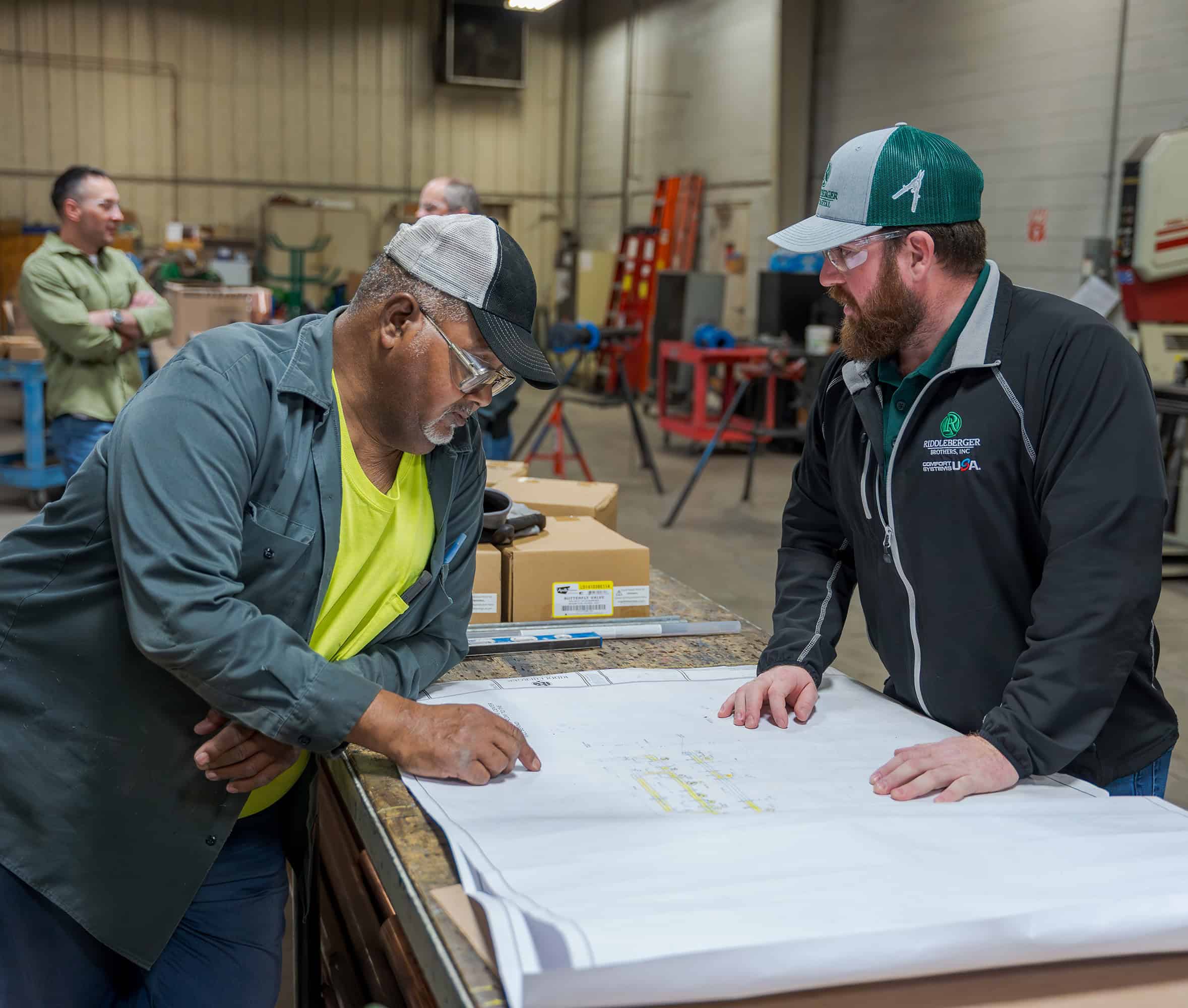
Because public reporting is part of the legislation, maintaining organized inspection and maintenance records will become increasingly important.
Records that may need to be maintained include:
- HVAC inspection records
- Airflow reports
- Corrective action tracking
- Preventive maintenance documentation
- Ventilation verification records
How Preventive Maintenance Supports Compliance
Preventive maintenance will likely play a major role in helping school divisions maintain HVAC performance consistency and ventilation readiness.
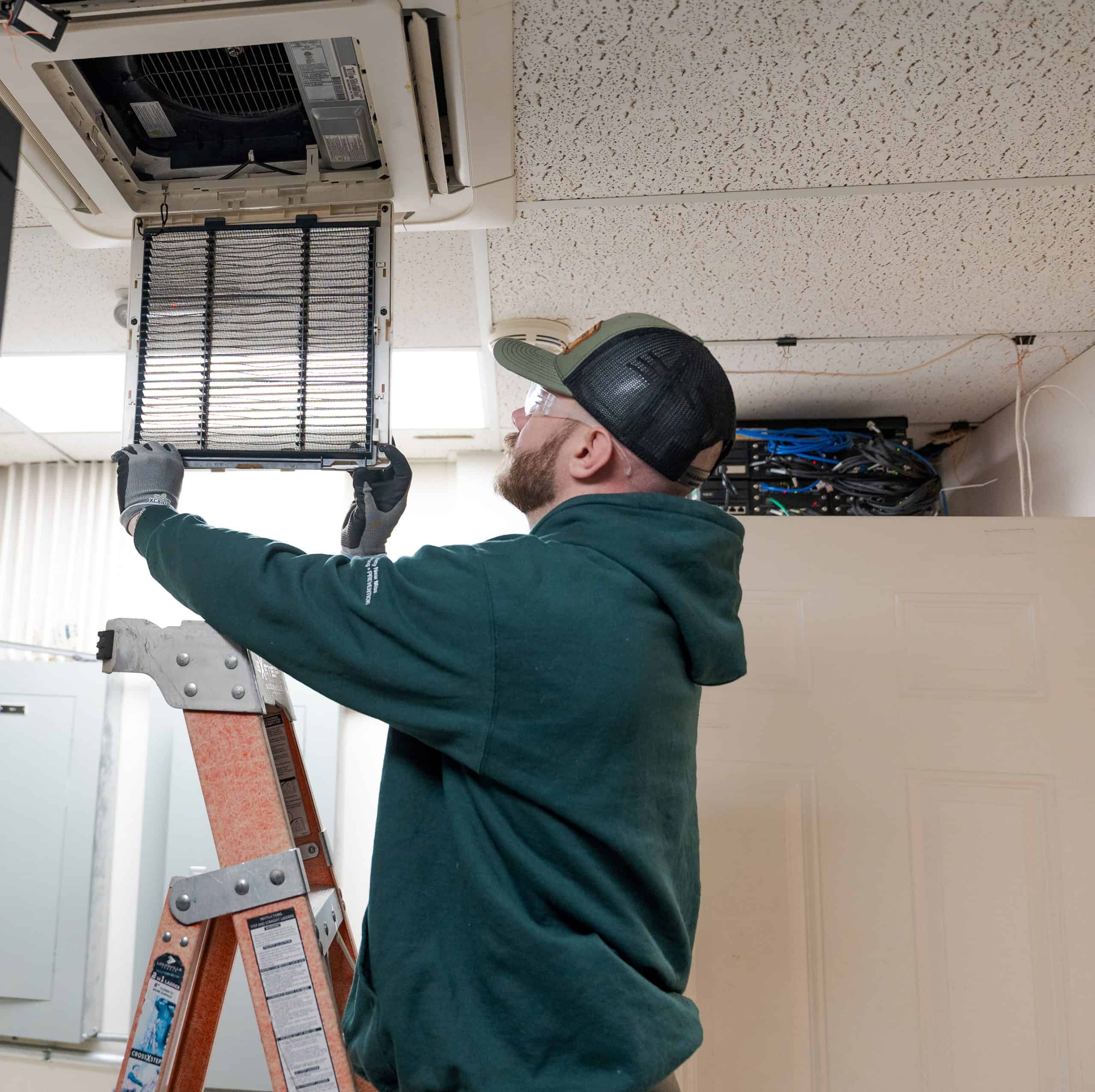
Routine maintenance activities that support existing HVAC equipment performance may include:
- Filter replacement
- Coil cleaning
- Economizer testing
- Damper inspections
- Airflow verification
- Controls calibration
- Sensor testing
- Fan inspections
Seasonal maintenance is particularly important in Virginia, where HVAC systems must manage humid summers, heating season transitions, and varying occupancy conditions throughout the school year.
Ongoing ventilation measurements and periodic airflow verification may also help identify developing problems before they affect occupant comfort or compliance documentation.
Common Misconceptions About HB2618
Several misconceptions have emerged surrounding Virginia’s school IAQ legislation.
How RBI Can Partner with Virginia School Divisions
As Virginia school systems evaluate the operational impact of HB2618, many districts may need support in developing inspection strategies, HVAC documentation processes, and long-term corrective planning programs.
Riddleberger Brothers, Inc. supports commercial and institutional facilities throughout the Shenandoah Valley and surrounding Virginia regions with services that align closely with school ventilation and HVAC operational needs.
Support areas include:
- HVAC equipment assessments
- Preventive maintenance programs
- Controls & building automation
- Corrective projects
- Long-term facility maintenance and budget planning
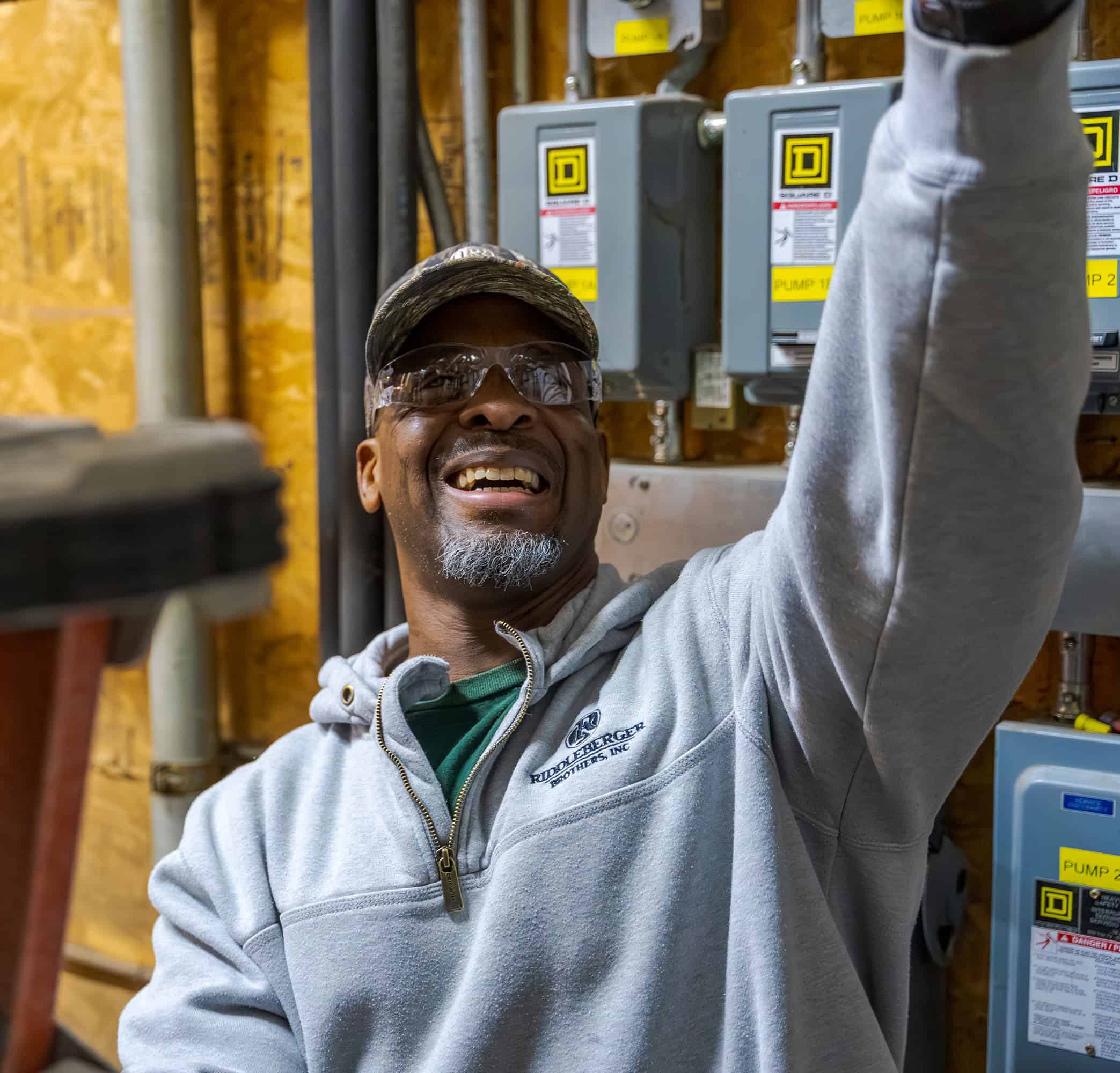
For school divisions navigating new IAQ documentation and ventilation evaluation requirements, proactive HVAC planning and recurring maintenance may help reduce operational uncertainty while improving long-term facility performance.
RBI is a premier full-service plumbing, mechanical, service, controls, and design-build company. We provide custom services tailored to meet your needs and requirements at each stage of your HVAC system journey, from helping you find the right equipment to installing and maintaining your system.