

Spring Commercial HVAC Maintenance Checklist
Categories: HVAC | Maintenance
As you participate in spring cleaning activities around your building, it’s important to make sure that your building’s HVAC system isn’t getting overlooked. Spring brings a new season of warm weather, meaning your HVAC will soon be putting in work to cool down your space. Along with seasonal upkeep, routine preventative maintenance is essential to keeping a commercial HVAC system running smoothly with minimal cost. This is true for commercial systems that heat and cool buildings of all sizes in order to improve indoor air quality and energy efficiency.
Table of Contents
Why Spring HVAC Maintenance Matters
As a facility manager, it’s your responsibility to ensure building systems run efficiently and safely. Your HVAC system is one of the most energy-intensive and critical pieces of infrastructure, especially during seasonal changes. Spring is the ideal time to:
- Identify issues before the summer heat increases demand.
- Clean out winter debris that may impact performance.
- Improve indoor air quality after months of enclosed heating cycles.
- Meet preventative maintenance requirements for equipment warranties or service contracts.
- Maximize energy efficiency, helping reduce utility costs during peak cooling season.
Routine, proactive HVAC maintenance doesn’t just prevent breakdowns, it also supports long-term cost savings and better indoor comfort.
The components of an HVAC system that need regular maintenance may vary based on if the system is indoors or outdoors.
Below, we’ve included the items you’ll want to check no matter where your HVAC system is located. Many items on our checklist will be important to include in your routine maintenance year-round.
DIY HVAC Maintenance
While certain tasks should always be handled by licensed HVAC professionals, there are a few simple actions facility teams can perform themselves. These DIY maintenance tasks help keep your system clean, safe, and running efficiently between professional visits.
- Clean your condenser coils: Thoroughly rinse the coils with high-pressure water to remove any debris and buildup.
- Replace air filters: This should be done once a month. Ensure the system’s power is off, then remove the old filter and replace it with a new filter of the same size, noting the date you change it.
- Remove debris from around the system: Regularly check that there is nothing blocking your system and that there is ample room around it.
- Inspect and clean air ducts: Wash vent covers, loosen dust with a brush, and vacuum it up.
- Check thermostat settings and batteries: Verify that settings align with your building schedule and swap out batteries to avoid mid-season disruptions.
- Visually inspect the system: Look for signs of wear, pests, water damage, or anything unusual. Make note of anything that may require larger repairs.
When You Should Call an HVAC Technician
The following maintenance items should only be handled by an HVAC technician to prevent injury and/or potential damage to your system. If you have any questions about what duties you should perform yourself or what should only be handled by professionals, let us know.
Only HVAC technicians should:
RBI offers seasonal tune-ups and preventative service agreements that include all of these tasks and more. Whether you're managing a single facility or a regional portfolio, we’ll tailor our service to your needs.
Smart Upgrades to Consider This Spring
In addition to cleaning and inspections, spring is the ideal time to evaluate whether your system needs upgrades or optimization. Even the best-maintained equipment has a limited lifespan, and as technology improves, so do your options for savings and efficiency.
Think about these updates before peak cooling season:
- Smart thermostat installation: Modern thermostats can be managed remotely and learn your building’s schedule to reduce energy waste.
- Zone-based temperature control: Especially useful for buildings with variable occupancy or usage. This allows your building to reduce costs by heating/cooling only where needed.
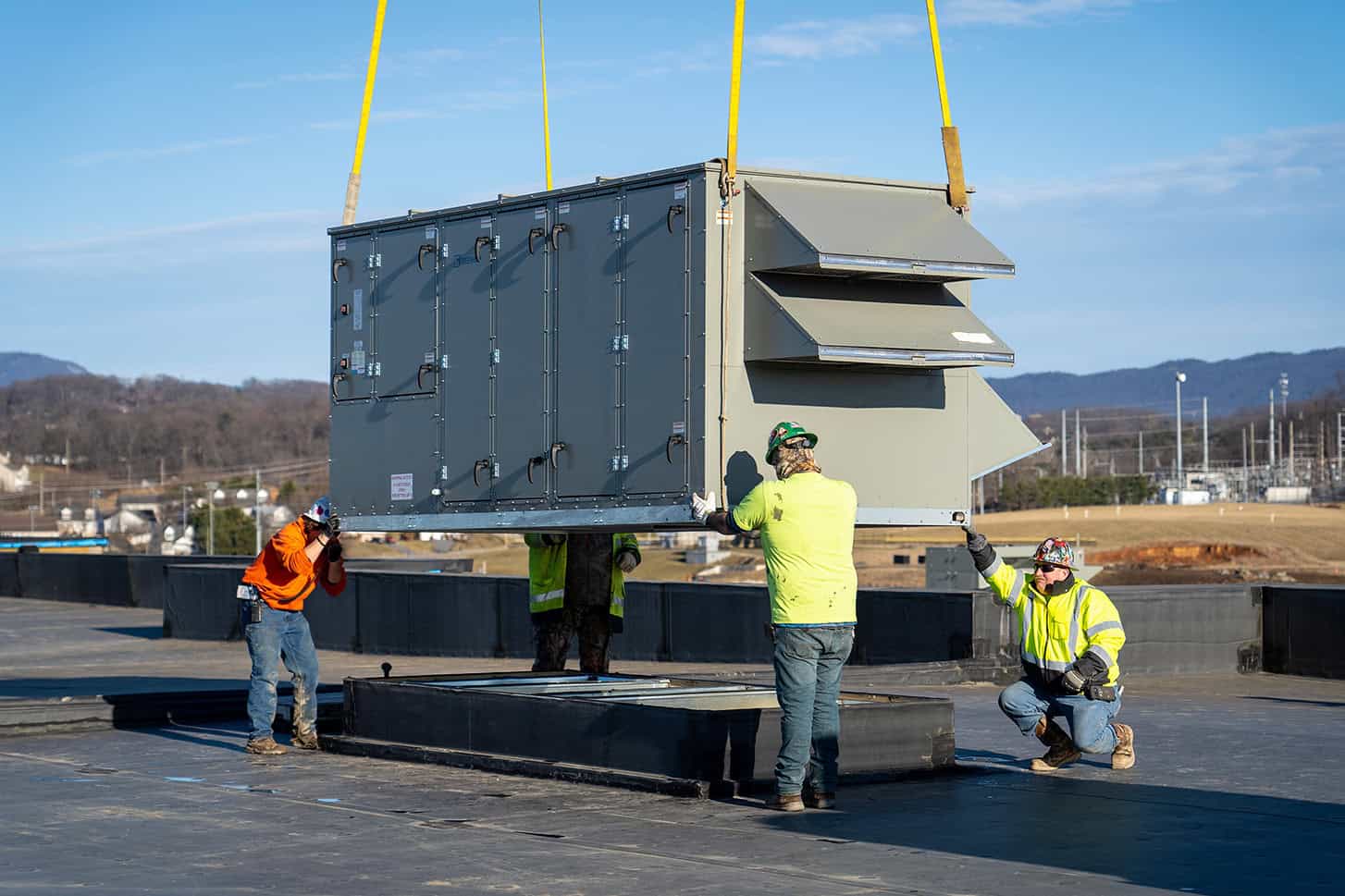
- Replace aging rooftop units or split systems: Older units are typically less efficient and more prone to breakdowns. Spring is a great time to plan upgrades before peak season.
- Install sensors for air quality, humidity, or motion detection: Improve comfort by upgrading controls and installing monitoring tools.
- Schedule an energy audit: A professional can assess your current system and recommend upgrades with measurable ROI.
Spring HVAC Maintenance FAQs
Ensuring Regular HVAC Maintenance
It’s important to find a regular maintenance plan that works for your HVAC system. Regular, preventative maintenance will help extend the life of your system, improve air quality, and lead to fewer emergency repairs. Along with preventative maintenance, RBI offers a variety of HVAC maintenance services, including:
24/7/365 Emergency Service
System Diagnostics & Troubleshooting
Chiller Service
Cooling Tower Repair
Rooftop, Packaged, Split Systems & VRF Service
Geothermal & Water-Source Heat Pumps
Compressor Rebuilds or Remanufactured
Motor Repair & Rewind
Pump Repair
Variable Frequency Drives (VFD)
Fan Balancing
Air & Water Balancing
Download the Spring HVAC Maintenance Checklist
Want to stay on top of spring HVAC maintenance at your facility? We’ve made it easy with a downloadable checklist that includes everything you need to inspect, clean, and monitor this season.
RBI is a premier full-service plumbing, mechanical, service, controls, and design-build company. With over 80 years of experience, we know how to get the tough jobs done.
If you’re looking for a trusted HVAC technician, get in touch with us today!