

The Value of Eddy Current Tube Analysis for HVAC Systems
Categories: HVAC | Maintenance
Maintaining a facility goes beyond routine inspections and responding to equipment failures. True system reliability comes from understanding what is happening inside your equipment long before visible symptoms appear. Predictive maintenance, such as eddy current tube analysis, allows facilities to monitor system health continuously, plan downtime strategically, and reduce the financial impact of unexpected failures.
Table of Contents
Primary Use Case of Eddy Current Tube Analysis
Water-cooled chillers and shell-and-tube heat exchangers are essential components in many commercial and industrial facilities. These systems depend on hundreds or thousands of thin metal tubes to transfer heat efficiently. Over time, those tubes are exposed to corrosion, scaling, biological growth, erosion, and thermal stress.
Because tube degradation occurs internally, it is not visible during routine maintenance inspections. The first sign of trouble is often a leak, and by that point, the system may already be facing refrigerant contamination, water intrusion, or forced shutdown.
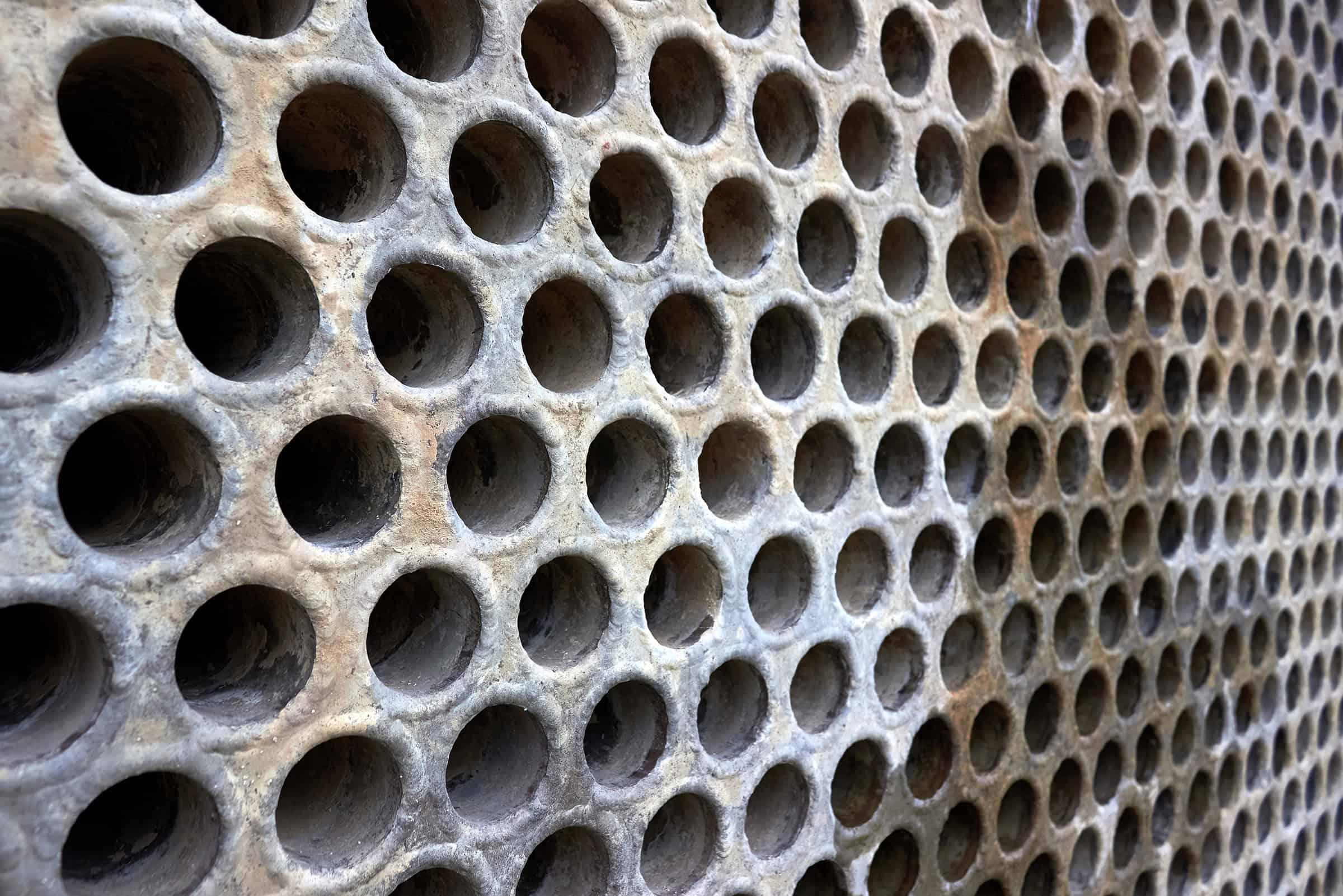
A failed tube can allow water to enter the refrigerant circuit or allow the refrigerant to contaminate the water system. In either case, the result is typically potential damage to other system components, emergency expenses, and unplanned downtime. For facilities that rely on continuous cooling, such as healthcare facilities, manufacturing operations, school buildings, and data centers, the operational impact can be significant.
Eddy current tube analysis provides insight before failures occur.
Eddy Current Tube Analysis Explained
Eddy current tube analysis is a non-destructive method of testing, used to assess the internal condition of conductive tubing.
- During the process, a specialized probe is inserted into each tube. The probe generates an electromagnetic field that reacts to variations in the tube wall.
- If there is thinning, pitting, cracking, or corrosion, the electromagnetic signal changes.
- Those changes are recorded and analyzed to determine the placement and degree of the defect.
- The result is a detailed map of tube condition throughout the heat exchanger or chiller bundle.
Unlike pressure testing or invasive inspection methods, eddy current tube analysis does not damage the system. It allows technicians to assess internal tube health accurately while preserving the integrity of the equipment.
Expert Insight: This makes it one of the most valuable predictive maintenance tools for water-cooled equipment.
Equipment That Benefits from Eddy Current Tube Analysis
Eddy current tube analysis is most commonly performed on:
- Water-cooled chiller condensers
- Chiller evaporators
- Shell-and-tube heat exchangers
- Industrial chillers
Facilities that operate open circuit cooling towers are especially susceptible to tube degradation due to water quality fluctuations, biological growth, and mineral scaling. Over time, this can accelerate corrosion and reduce heat transfer efficiency.
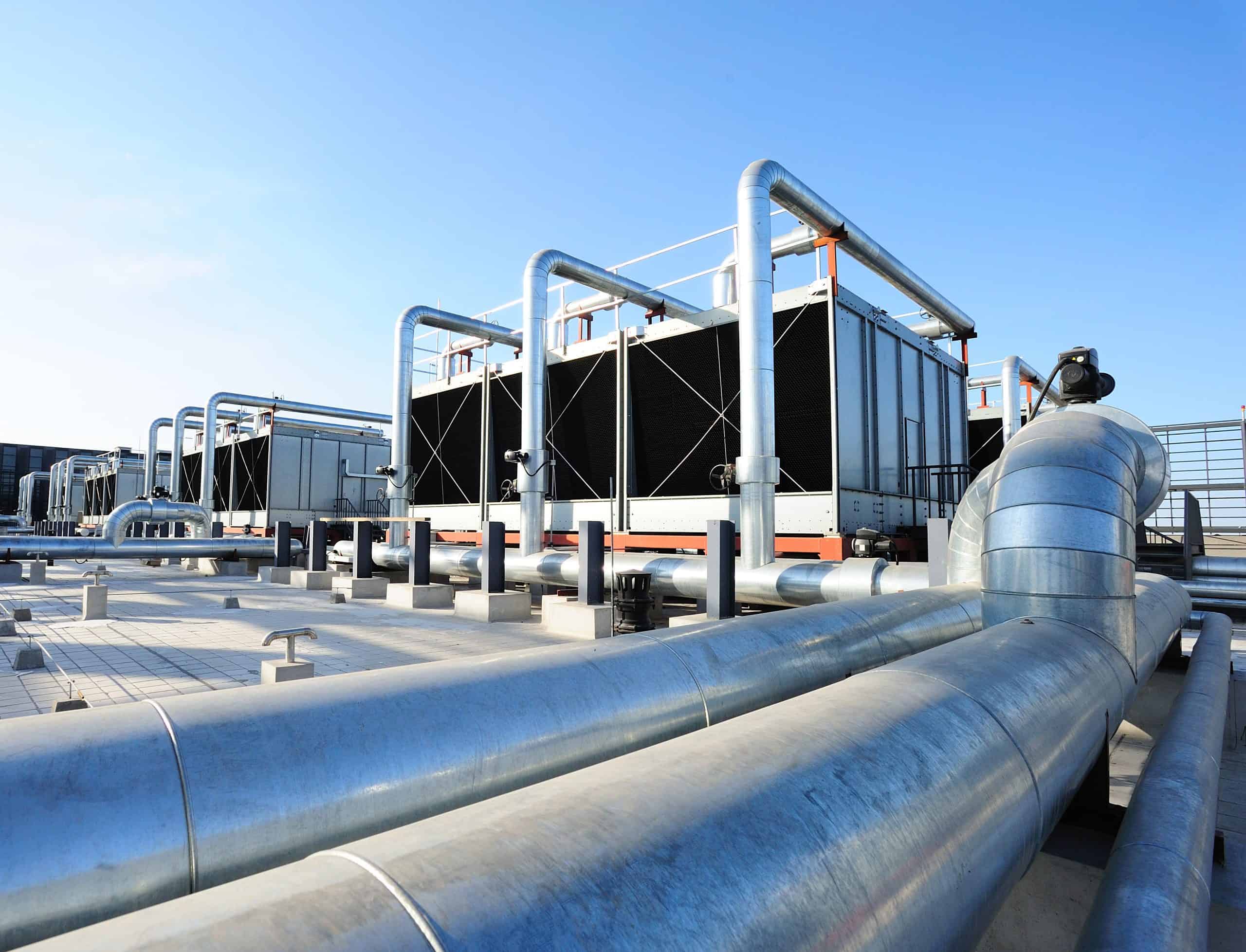
Expert Insight: Without internal inspection data, these issues may remain undetected until performance declines or a tube failure occurs.
When Eddy Current Tube Analysis Becomes Critical
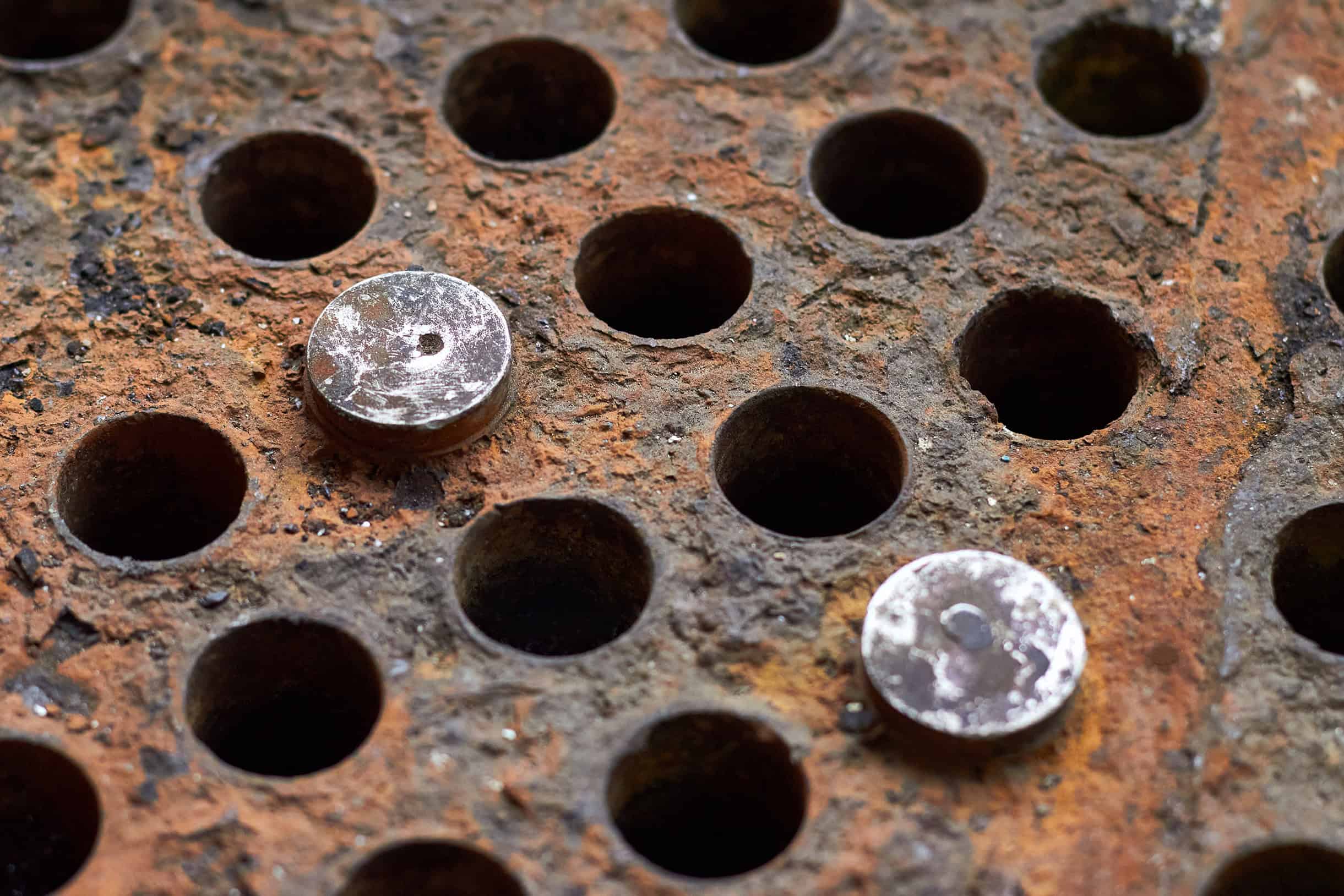
While routine testing is ideal, there are certain warning signs that indicate immediate evaluation may be necessary. These include increased refrigerant purge activity, repeated tube leaks, unexplained increases in energy consumption, visible corrosion at tube sheets, or preparation for the purchase of used equipment.
In these cases, eddy current tube analysis provides clarity about internal condition before further investment or continued operation.
Why Facility Managers Are Moving Toward Predictive Tube Testing
Eddy current tube analysis provides value far beyond identifying leaks. When integrated into a predictive maintenance strategy, it supports long-term operational stability and financial planning.
1. Prevents Catastrophic Tube Failures
Tube degradation is rarely uniform. A bundle may look acceptable overall while several tubes approach failure thresholds.
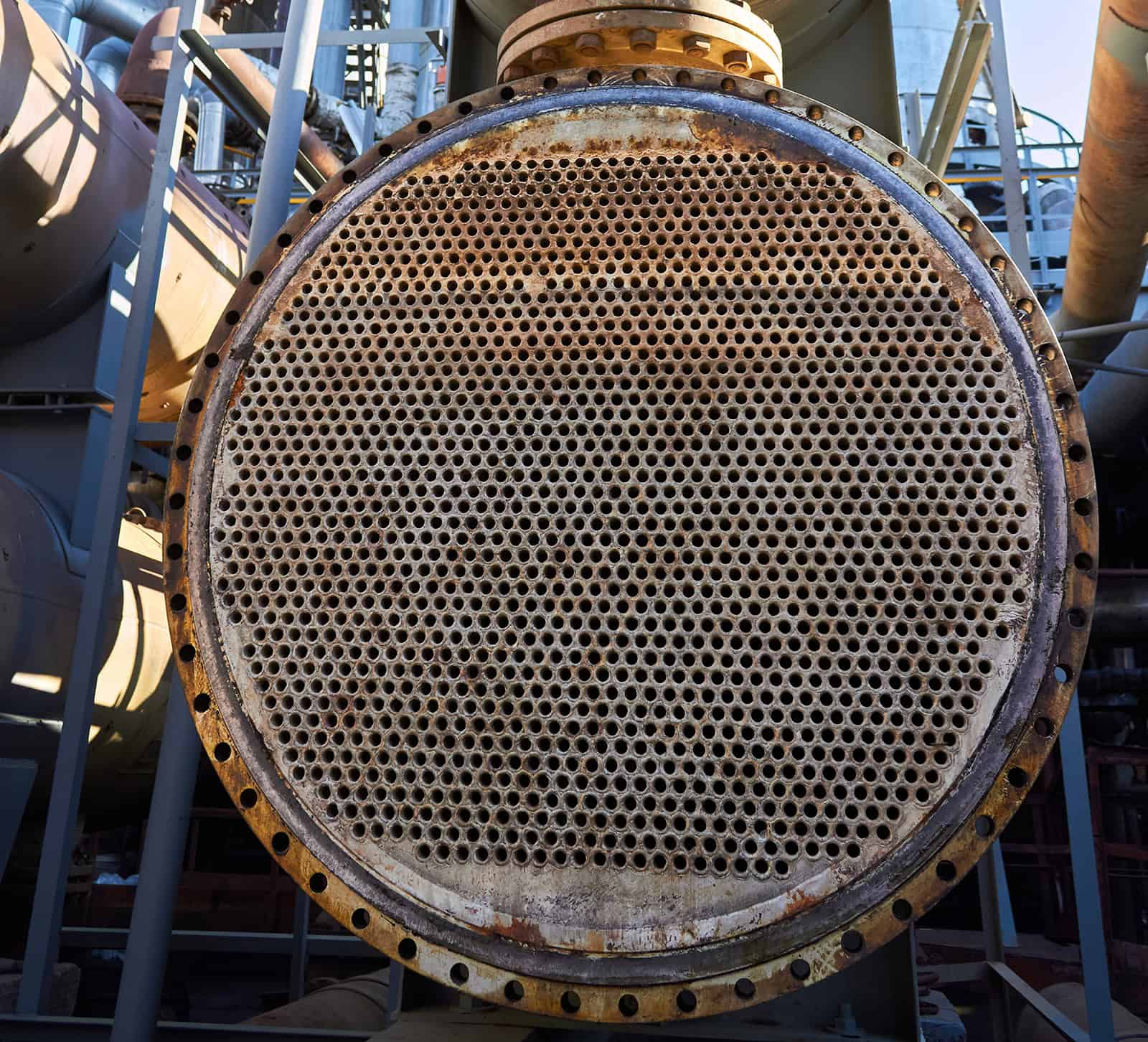
Potential tube issues may be:
- Accelerated pitting near tube sheets
- Localized corrosion under deposits
- Progressive wall thinning in high-flow areas
By identifying pitting, corrosion, and wall thinning early, facilities can plug isolated tubes or schedule planned repairs before failure.
Expert Insight: This helps prevent emergency shutdowns, refrigerant loss, and costly reactive repairs during peak operating seasons.
2. Extends Equipment Lifespan
Inspection data allows maintenance teams to evaluate overall tube condition and determine the rate of deterioration. Rather than replacing an entire system prematurely, facilities can make informed decisions about plugging (closing off the tube), retubing, or continued monitoring.
When tube plugging approaches certain thresholds, performance can begin to decline. Eddy current tube analysis data helps determine when retubing is financially justified and when continued operation remains practical. This supports remaining useful life forecasting and more strategic capital planning.
Since these systems often last over 20 years when properly maintained, protecting internal components like tubing plays a significant role in helping these systems reach their expected lifespan.
| Equipment | Average Life |
|---|---|
| Heat Exchangers | 24 years |
| Reciprocating Compressors | 20 years |
| Packaged Chillers | 20-23 years |
| Cooling Towers | 20-34 years |
| Condensers | 20 years |
3. Improves Energy Efficiency
Tube condition directly impacts heat transfer efficiency. Thinned tubes or fouled tubes (those with buildup) increase thermal resistance, forcing systems to work harder to achieve the same cooling output. This increases electrical demand and operating costs.
Facilities may notice rising energy bills or higher condenser approach temperatures before a leak ever occurs. Eddy current tube analysis helps determine whether internal tube degradation is contributing to that inefficiency.
Maintaining proper heat transfer performance is especially important during peak cooling seasons when equipment is under the greatest load.
4. Strengthens Budget Planning and Capital Forecasting
One of the most overlooked benefits of eddy current tube analysis is its role in financial planning. Detailed inspection reports provide measurable data about:
- Wall loss percentage — indicating how much material thickness has been reduced and how quickly deterioration may be progressing.
- Defect location and distribution — showing exactly where flaws are occurring within the tube bundle and whether patterns suggest localized or systemic issues.
- Overall bundle condition — providing a comprehensive picture of structural integrity and operational health to support informed repair or replacement decisions.
This information allows facility leaders to forecast future repair or replacement needs with greater accuracy.
Instead of reacting to failure, budgets can reflect anticipated lifecycle milestones.
Expert Insight: For municipalities, institutions, and industrial operations, this data-driven approach supports responsible asset management and long-term stability.
How Eddy Current Tube Analysis Fits Into a Predictive Maintenance Program
Eddy current tube analysis is most effective when performed on a recurring schedule. For many systems, testing every three to five years is sufficient when water treatment and operating conditions are stable. Systems with known corrosion history, open-loop cooling towers, or aging equipment may require more frequent evaluation.
Testing is typically coordinated during planned off-season shutdowns to minimize disruption. Because the process is non-destructive, it does not compromise equipment integrity.
At RBI, eddy current tube analysis is often integrated with other predictive maintenance services. When combined, facilities get a comprehensive understanding of system health.
Expert Insight: Predictive maintenance works best when multiple data points inform decision-making.
Frequently Asked Questions
Eddy Current Tube Analysis with RBI
Choosing the right partner is essential when implementing predictive maintenance strategies. Eddy current tube analysis is most effective when interpreted within the context of the entire HVAC system, not as a standalone test.
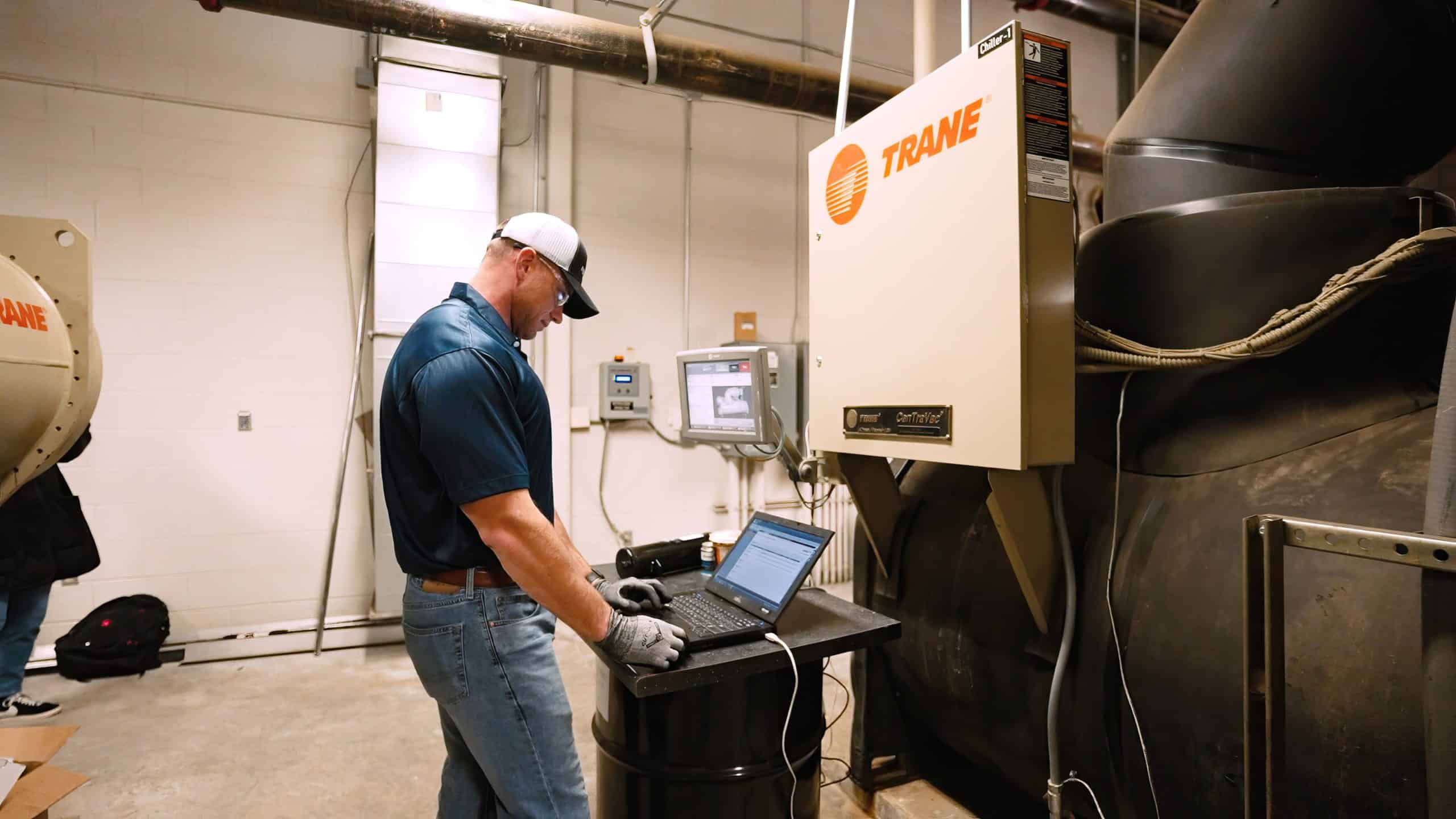
At RBI, we integrate eddy current tube analysis into broader predictive maintenance and service agreement programs.
Our team works with facilities to interpret findings, determine appropriate repair strategies, and align recommendations with long-term operational and financial goals.
In addition to eddy current tube analysis, our predictive maintenance services include:
- Code compliance support
- Vibration analysis
- Refrigerant analysis and management
- Spectrographic oil analysis
- Advanced logging and digital metering
- Ultrasonic leak detection
- Infrared scanning thermography
- Megohm/insulation testing
- Motor and pump laser alignment
- Code compliance support
- Vibration analysis
- Refrigerant analysis and management
- Spectrographic oil analysis
- Advanced logging and digital metering
- Ultrasonic leak detection
- Infrared scanning thermography
- Megohm/insulation testing
- Motor and pump laser alignment
Our goal is to provide facilities with data-driven insights that reduce risk, extend equipment life, and improve overall system performance.